
Online Learning and Education in 2026: A Complete Guide for Students
Online learning has transformed the way students access education. A student no longer needs to live close to a university or attend a traditional classroom every day to learn a new subject. With a computer, tablet, or smartphone and a reliable internet connection, learners can access courses from institutions and educational platforms around the world.
In 2026, online education continues to become an important part of higher education. Universities are expanding online programs, while students are looking for flexible options that allow them to balance education with work and personal responsibilities. Current higher education research shows that online learning is increasingly being treated as part of institutional strategy and infrastructure.
What Is Online Learning?
Online learning is an educational method in which students access lessons, lectures, assignments, tests, and learning materials through the internet.
Courses can be completely online or combined with traditional classroom education. This second model is often called hybrid or blended learning.
Types of Online Education
There are several common types of online learning.
Fully Online Courses
Students complete nearly all coursework online. These programs can be useful for people who need maximum flexibility.
Hybrid Learning
Hybrid learning combines online lessons with physical classroom sessions. This approach can provide students with the convenience of digital learning while maintaining face-to-face interaction.
Self-Paced Courses
Self-paced courses allow students to study according to their own schedules. Learners can often watch recorded lessons and complete assignments when convenient.
Live Online Classes
Live classes take place through video conferencing platforms. Students attend at a specific time and can interact directly with instructors.
Benefits of Online Learning
One of the biggest advantages of online education is flexibility. Students can often study around employment, family responsibilities, or other commitments.
Research on online education has consistently highlighted flexibility as an important reason students choose online study.
Study From Anywhere
Students can participate in online programs from different locations. This can be especially useful for international students who cannot easily relocate.
Flexible Schedule
Online learning can provide more control over study schedules. Students can review recorded lessons and manage assignments according to their availability.
Wide Range of Courses
Online education gives learners access to a large variety of subjects. Students can study business, technology, education, healthcare, finance, marketing, design, languages, and many other fields.
Potentially Lower Costs
Some online programs can cost less than traditional programs because students may save money on transportation, accommodation, and other campus expenses. However, students should compare the complete cost of each program.
Online Learning and Artificial Intelligence
Artificial intelligence is becoming increasingly important in education. AI tools can support personalized learning, academic assistance, content creation, tutoring, and educational simulations.
Higher education research in 2026 identifies AI as a major force influencing teaching, learning, assessment, and student support.
AI Tutors
AI-powered tutoring systems can provide students with explanations and practice opportunities. These tools can help learners understand difficult concepts.
However, AI should support learning rather than replace genuine study. Students should understand the material instead of simply using AI to complete assignments.
Personalized Learning
Different students learn at different speeds. AI can potentially help educational systems provide more personalized learning experiences by adapting content and practice activities.
How to Choose an Online Course
Students should carefully evaluate an online course before enrolling.
Check Course Quality
Read the course description and determine what students will learn. Look for clear learning objectives and information about instructors.
Check Accreditation
For degree programs, accreditation and recognition are extremely important. A certificate from an unknown organization may not provide the same value as a recognized qualification.
Compare Student Support
Good online programs should provide access to instructors, technical support, academic resources, and learning communities.
Review Course Requirements
Students should understand the expected weekly workload, technology requirements, examination system, and assignment deadlines.
Online Learning for Working Professionals
Online education can be particularly useful for professionals who want to improve their skills without leaving their jobs.
A working professional may study business administration, digital marketing, project management, data analytics, cybersecurity, or another field while continuing full-time employment.
Short courses and professional credentials can also help learners develop specific skills without committing to a complete degree program.
Challenges of Online Education
Online learning has many benefits, but it also has challenges.
Lack of Motivation
Students need self-discipline because there may be fewer physical reminders to attend classes.
Internet and Technology Problems
Poor internet connections or outdated devices can make online education difficult.
Limited Social Interaction
Some students prefer traditional classrooms because they enjoy direct interaction with classmates and instructors.
Academic Integrity
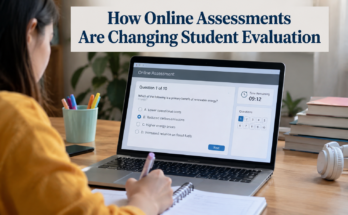
Online education also needs effective systems for maintaining academic integrity. Universities are developing new assessment methods as AI changes the traditional approach to assignments and examinations.
The Future of Online Education
Online education is likely to become more flexible and personalized. Universities are exploring new ways to combine online courses, classroom instruction, AI-powered tools, professional credentials, and workplace learning.
Students may increasingly build education pathways from multiple sources instead of following one traditional route from beginning to end.
Final Thoughts
Online learning has become an important option for modern students. It can provide flexibility, accessibility, and a wide selection of educational opportunities.
However, students should research every program carefully. Accreditation, course quality, instructor support, cost, technology requirements, and career outcomes should all be considered before enrollment.
Focus Keyword: Online Learning
High-Rank Keyword Ideas: online learning 2026, online education, online courses, online degree programs, best online courses, online university, distance learning, virtual learning, online college, e learning, online education programs