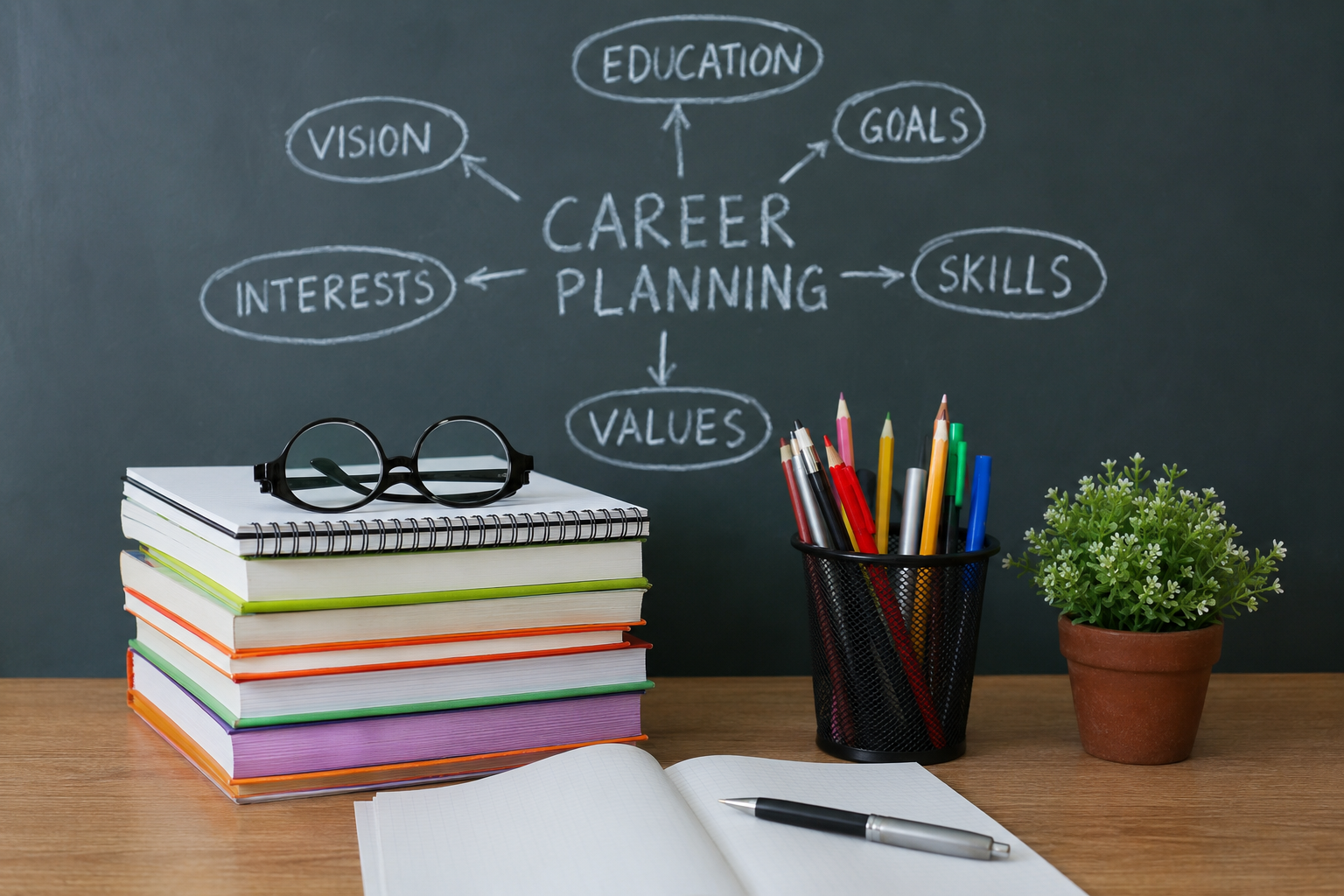
Preparing for a future career is one of the most important goals for every student. Education is not only about getting good grades or passing exams. It is also about developing the knowledge, skills, confidence, and experience needed to become successful in professional life. Many students wait until graduation to think about their career, but starting early can make the process much easier. When students understand their interests and strengths, develop useful skills, gain experience, and make thoughtful career decisions, they can build a stronger future.
Career preparation does not mean choosing one job at a very young age and following the same path forever. The world of work continues to change, and students may discover new interests as they grow. The main goal is to prepare yourself to recognize opportunities and make good decisions when they appear. Here are some effective ways students can prepare for their future career.
Understand Your Interests and Strengths
The first step in career preparation is understanding yourself. Every student has different interests, abilities, personality traits, and goals. Some students enjoy working with technology, while others may prefer teaching, business, science, art, communication, or helping people.
Students should think about the subjects and activities they enjoy most. They can ask themselves what type of work makes them feel interested and motivated. It is also useful to identify personal strengths. For example, a student may be good at communication, mathematics, problem solving, creativity, leadership, or teamwork.
Understanding your strengths can help you choose a career that matches your abilities. Students can also use career assessment activities or speak with teachers and career counselors to learn more about possible career options.
Take Your Education Seriously
A strong educational foundation is important for future career success. Students should make an effort to understand their subjects instead of studying only to pass exams. Good academic knowledge can help students develop critical thinking and problem solving abilities.
Students should attend classes regularly, complete assignments on time, participate in discussions, and ask questions when they do not understand something. Good academic performance can also help students qualify for scholarships, university programs, internships, and other opportunities.
However, students should remember that grades are only one part of career preparation. Practical skills, communication abilities, experience, and personal development are also important.
Develop Communication Skills
Communication skills are valuable in almost every career. A person may have excellent technical knowledge, but poor communication can make it difficult to work with others.
Students should practice speaking clearly and confidently. They can improve their communication skills by participating in classroom discussions, presentations, debates, group projects, and social activities. Writing skills are equally important because many professional tasks require emails, reports, applications, and other forms of written communication.
Learning how to listen carefully is also an important part of communication. Good professionals know how to understand other people, ask useful questions, and respond respectfully.
Learn Digital and Technology Skills
Technology has become an important part of modern professional life. Students should develop basic digital skills regardless of the career they want to pursue.
They should learn how to use computers, word processing programs, spreadsheets, presentation software, email, online research tools, and other common digital platforms. Students interested in technology related careers can also learn coding, web development, graphic design, data analysis, or other specialized skills.
Technology continues to change, so students should develop the habit of learning new tools. Being comfortable with technology can make it easier to adapt to future workplace requirements.
Build Time Management Skills
Time management is another important skill for career preparation. Students often have to manage classes, homework, exams, personal activities, family responsibilities, and other commitments.
Learning how to organize time during school can prepare students for professional responsibilities later. Students can create daily schedules, set priorities, break large tasks into smaller activities, and avoid unnecessary distractions.
Good time management can also reduce stress. When students complete important tasks on time, they have more control over their studies and personal life.
Gain Practical Experience
Education provides knowledge, but practical experience helps students understand how that knowledge works in real situations. Students should look for opportunities to gain experience whenever possible.
Internships, volunteer work, part time jobs, school projects, community activities, and student organizations can provide useful experience. These activities can teach students how to work with others, solve problems, communicate professionally, and take responsibility.
Even small experiences can become valuable lessons. A student who volunteers at an organization may develop teamwork and communication skills that later become useful in a professional environment.
Create a Professional Network
Building professional relationships can help students discover opportunities and learn about different careers. Students can connect with teachers, university professors, career counselors, professionals, alumni, and people working in industries that interest them.
Networking does not mean asking everyone for a job. It means developing genuine professional relationships and learning from other people’s experiences.
Students can attend career events, educational seminars, workshops, and professional meetings. They can also use professional networking platforms to learn about companies and career opportunities.
Improve Problem Solving Skills
Employers value people who can think independently and solve problems. Students can develop problem solving skills through academic projects, puzzles, research activities, competitions, and real life challenges.
Instead of immediately asking someone else to solve a problem, students should first try to understand the situation and think about possible solutions. They should compare different options and consider the possible results.
Problem solving skills can help students become more confident and useful in almost any professional environment.
Learn About Different Careers
Students should research different career options before making major decisions. Many young people choose careers because of family expectations, social pressure, or popular trends without understanding what the work actually involves.
Students should learn about job responsibilities, required education, skills, working environments, career growth, and future opportunities. Talking to people who already work in a particular field can also provide realistic information.
Career research can help students avoid decisions based only on assumptions. It can also introduce them to careers they may not have considered before.
Develop a Strong Resume
Students should begin collecting information about their education, achievements, skills, projects, volunteer work, internships, and other experiences. This information can later be used to create a professional resume.
A resume should clearly present the student’s abilities and achievements. Students should keep updating it as they gain new skills and experiences.
Students can also create a professional online profile that highlights their education, interests, projects, and skills. Having a professional presence can be useful when applying for internships, jobs, or educational opportunities.
Set Clear Career Goals
Career goals give students direction. A goal does not have to be extremely specific in the beginning. Students can start with a general goal and make it more specific as they learn more about themselves.
For example, a student interested in business may initially decide to explore business related careers. Later, after gaining more knowledge, the student may choose marketing, finance, management, entrepreneurship, or another specific area.
Students should divide large career goals into smaller steps. They can set goals for education, skills, experience, networking, and personal development. Reviewing these goals regularly can help them stay focused.
Stay Open to Change
Career preparation does not mean that students must follow a fixed plan forever. Interests and opportunities can change over time. A student may discover a new subject, develop a different skill, or become interested in another profession.
Students should be flexible and willing to learn from their experiences. Changing a career goal is not necessarily a failure. Sometimes it means that a person has gained better knowledge about what they want.
The ability to adapt is especially important because technology and job markets continue to change. Students who continue learning throughout their lives can respond more effectively to new opportunities.
Build Confidence and a Positive Attitude
Confidence plays an important role in career development. Students should believe that they can improve their abilities through learning and practice.
Failure should not be viewed as the end of the journey. Mistakes can provide useful lessons and help students understand what they need to improve. Students should learn from criticism instead of becoming discouraged by it.
A positive attitude can help students handle challenges, interviews, exams, presentations, and workplace responsibilities with greater confidence.
Conclusion
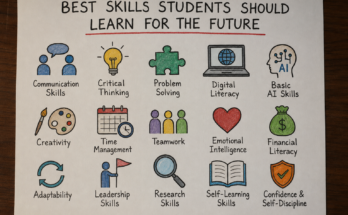
Preparing for a future career is a gradual process that can begin during school or college. Students can prepare themselves by understanding their interests, taking education seriously, developing communication and digital skills, managing time effectively, gaining practical experience, building professional relationships, and setting realistic career goals.
The most successful students are not always those who know exactly what they want from the beginning. They are often the students who continue learning, exploring opportunities, improving their skills, and adapting to change.
Future career success depends on more than academic qualifications. Knowledge, practical experience, communication, confidence, problem solving, technology skills, and a willingness to learn can all make a significant difference. Students who start preparing today can enter their professional lives with greater confidence and a stronger understanding of their goals. With consistent effort and the right mindset, every student can take meaningful steps toward a successful and rewarding future career.