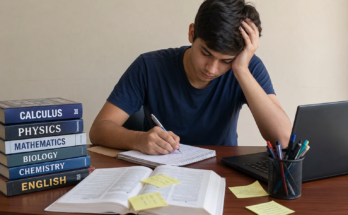

Academic success is an important goal for every student. Good academic performance can open the door to better opportunities, higher confidence, and a stronger future. However, improving academic performance is not only about studying for long hours. It is about using the right study methods, managing time wisely, staying focused, and developing healthy daily habits.
Many students work hard but still struggle to get the results they want. The main reason is often a lack of planning and an ineffective study routine. By making a few simple changes, students can improve their learning ability and achieve better academic results.
Set Clear Academic Goals
The first step to improving academic performance is setting clear academic goals. Students should know exactly what they want to achieve. A goal can be getting better grades in a particular subject, completing assignments on time, improving exam scores, or developing better study habits.
Instead of setting a general goal such as “I want to study better,” create a specific goal such as “I want to improve my mathematics grade this semester.” Clear goals make it easier to measure progress and stay motivated.
Students can also divide large goals into smaller goals. Completing small tasks regularly can make academic improvement feel easier and more manageable.
Create a Daily Study Schedule
A good study schedule can make a major difference in academic performance. Students should create a daily study routine that includes time for classes, homework, revision, practice, and relaxation.
A study schedule helps students avoid last minute preparation. It also provides a clear idea of what needs to be completed each day.
Students should identify the time of day when they feel most focused. Some students learn better in the morning, while others prefer studying in the evening. The most productive study time can be different for every person.
It is also important to include short breaks. Studying continuously for several hours can reduce concentration. Short breaks can help the mind stay fresh and improve productivity.
Improve Time Management Skills
Time management is one of the most important skills for academic success. Students often have several responsibilities at the same time, including classes, assignments, exams, activities, and personal responsibilities.
Poor time management can lead to stress and unfinished work. To avoid this problem, students should organize their tasks according to importance and deadlines.
A simple to do list can help students understand what needs to be completed first. Important assignments and upcoming exams should receive more attention.
Students should also avoid spending too much time on activities that do not contribute to their goals. Managing time wisely allows students to complete their academic responsibilities while still having time for rest and personal activities.
Develop Effective Study Habits
Effective study habits are essential for improving academic performance. Simply reading a textbook again and again may not always lead to better understanding.
Students should use active learning techniques. They can write notes, ask questions, explain topics in their own words, solve practice questions, and test themselves after studying.
One useful method is to study a topic and then close the book and explain what was learned. If the student can explain the topic clearly, it is a good sign that the information has been understood.
Regular revision is also important. Reviewing information several times over a period of days can make it easier to remember.
Avoid Distractions While Studying
Distractions can make studying less effective. Mobile phones, social media, television, games, and unnecessary internet browsing can take attention away from academic work.
Students should create a quiet and comfortable study environment. Keeping the phone away or turning off unnecessary notifications can help improve concentration.
It is also useful to keep the study area organized. A clean desk with the necessary books and materials can reduce distractions and make studying more comfortable.
Students do not need to study in complete silence if they prefer background sound, but they should choose an environment that supports concentration rather than interrupting it.

Take Better Notes in Class
Taking useful notes can improve understanding and make revision easier. Students should focus on important ideas instead of trying to write every word spoken by the teacher.
Good notes should include key points, definitions, examples, important dates, formulas, and questions that need further explanation.
Students should review their notes after class. Reviewing notes on the same day can help strengthen memory and identify areas that are not fully understood.
If something is unclear, students should ask the teacher for an explanation. Asking questions is an important part of learning and should not be considered a weakness.
Practice Regularly
Practice is one of the best ways to improve academic performance. This is especially important for subjects such as mathematics, science, languages, and other subjects that require problem solving.
Students should solve practice questions instead of only reading solutions. Making mistakes during practice can help students understand where they need improvement.
After completing practice questions, students should check their answers and understand their mistakes. Repeating the same mistake without understanding it can slow academic progress.
Regular practice also helps students become more comfortable with exam style questions.
Improve Concentration
Strong concentration allows students to learn more effectively in less time. However, concentration can be difficult when students are tired, stressed, or surrounded by distractions.
Students can improve concentration by studying in shorter focused sessions. For example, they can study for a specific period and then take a short break.
Setting a clear purpose before each study session can also help. Instead of simply saying “I will study English,” a student can decide to “learn twenty new vocabulary words and complete one reading exercise.”
A clear target makes the study session more meaningful and productive.
Get Enough Sleep
Sleep plays an important role in learning and memory. Students who regularly stay awake late at night may find it difficult to concentrate during classes and study sessions.
Getting enough sleep can help students feel more alert and prepared to learn. A consistent sleep routine can also support better daily productivity.
Students should avoid making late night study a regular habit. Good academic performance requires both effective study and proper rest.
Eat Healthy and Stay Active
Physical health can also affect academic performance. Students need enough energy to attend classes, study, and complete daily responsibilities.
A balanced diet can support energy and concentration. Drinking enough water and eating nutritious meals can help students feel better throughout the day.
Physical activity is also useful. Walking, stretching, sports, or other forms of exercise can provide a healthy break from studying and help students return to their work with a refreshed mind.
Ask for Help When Needed
Students should not wait until a problem becomes serious before asking for help. If a topic is difficult, they can talk to a teacher, classmate, tutor, or another trusted learning resource.
Asking for help can save time and prevent confusion. Students should identify difficult subjects early and give themselves enough time to improve.
Group study can also be helpful when used correctly. Students can discuss difficult topics, explain concepts to each other, and solve questions together. However, the group should remain focused on learning.
Prepare Properly for Exams
Good exam preparation should begin before the examination date. Students should review lessons regularly instead of trying to learn everything in one night.
Before an exam, students can create a revision plan based on the subjects and topics they need to cover. They should spend more time on areas where they have difficulty.
Practice tests can also improve exam preparation. They help students understand the types of questions they may face and improve their ability to manage time during an exam.
Students should also read questions carefully during the examination. Understanding the question before answering can prevent avoidable mistakes.
Stay Motivated
Improving academic performance takes time. Students may not see major changes immediately, but consistent effort can produce strong results over time.
It is important to focus on progress rather than comparing yourself with other students. Every student has different strengths, weaknesses, learning styles, and circumstances.
Celebrating small achievements can help maintain motivation. Completing an assignment, improving a test score, understanding a difficult topic, or following a study schedule for a full week are all signs of progress.
Conclusion
Improving academic performance is possible when students develop effective habits and remain consistent. Setting clear goals, creating a daily study schedule, managing time, taking useful notes, practicing regularly, avoiding distractions, and getting enough sleep can all support better academic results.
Students should remember that academic success is not achieved by studying endlessly. It comes from studying effectively, understanding the material, practicing regularly, and taking care of physical and mental energy.
The most important step is to start with small changes. A better study routine today can lead to stronger academic performance in the future. With patience, discipline, and consistent effort, every student can improve their learning skills and move closer to their academic goals.