Time is one of the most valuable things for every student. When students learn how to manage time properly, they can complete their studies, enjoy free time, and still get enough rest. Many students feel stressed because they have too many assignments, exams, projects, and personal activities to manage. The real problem is often not a lack of time but poor time management.
Good time management for students means using available hours wisely and giving attention to the most important tasks first. It helps students stay organized, improve academic performance, reduce stress, and develop habits that can be useful throughout life. In this article, we will discuss some of the best time management tips for students that can make studying easier and more productive.
Create a Daily Study Schedule
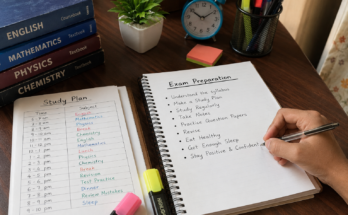
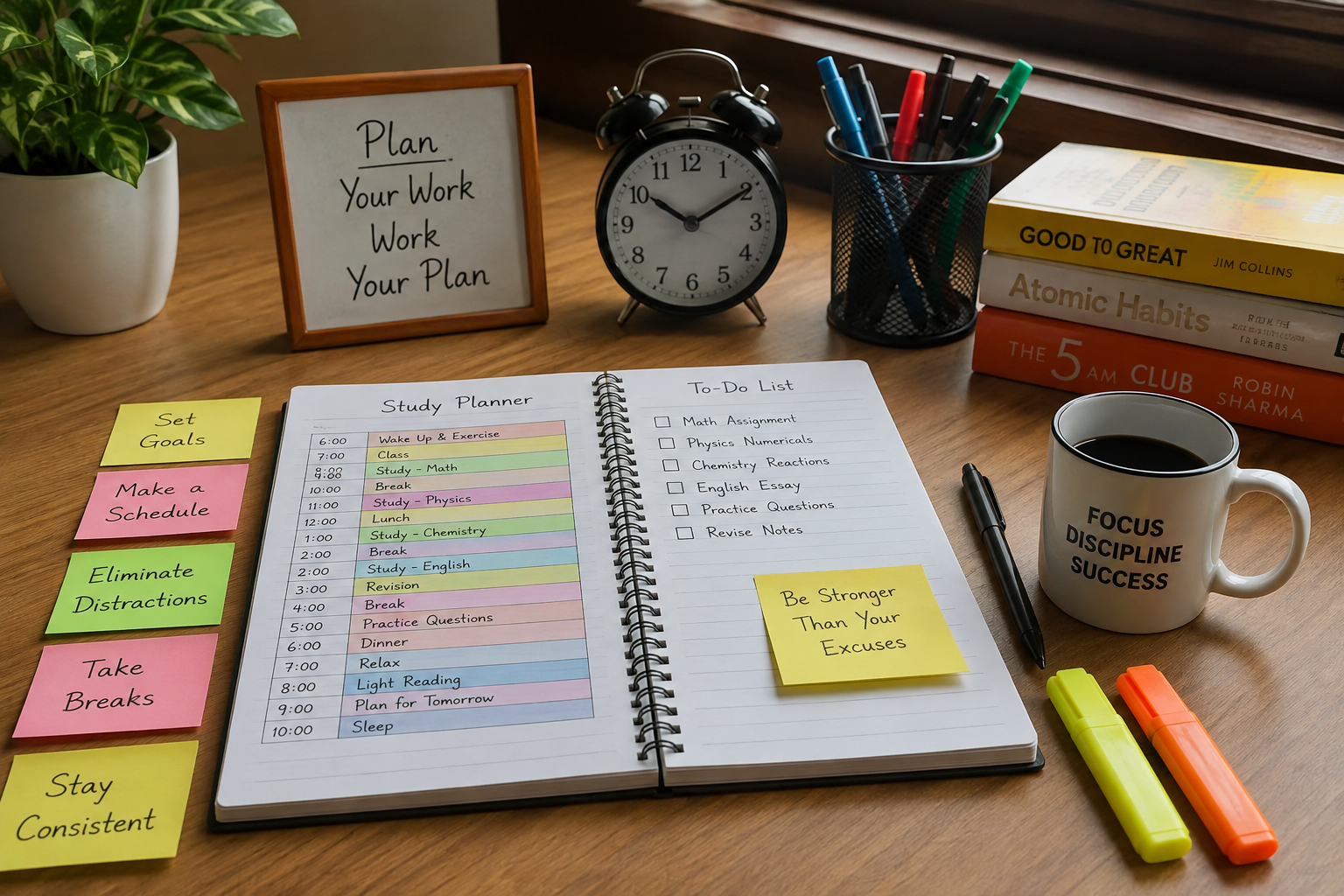
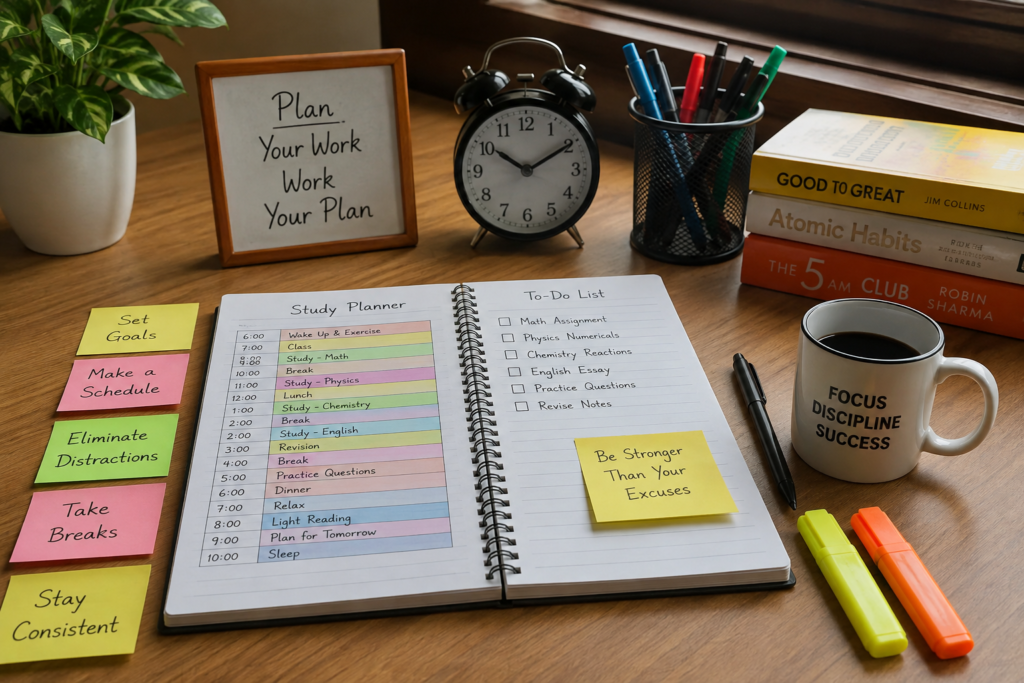
One of the best time management tips for students is to create a daily study schedule. A schedule gives you a clear idea of what you need to complete during the day. Without a plan, students may spend too much time on less important activities and leave important work until the last minute.
Write down your classes, study sessions, assignments, meals, exercise, relaxation, and sleeping time. Try to create a realistic schedule that matches your daily routine. Do not fill every minute with study because breaks and personal time are also important.
Set Clear Academic Goals
Setting clear goals can help students use their time more effectively. Instead of simply deciding to study for several hours, choose a specific goal for each study session.
For example, you can decide to complete one chapter, solve twenty mathematics questions, or revise a particular topic. Clear goals make studying more focused and help you understand what you have achieved.
You can also create weekly and monthly academic goals. Breaking larger goals into smaller tasks makes them easier to manage and reduces the feeling of being overwhelmed.
Prioritize Important Tasks
Not every task has the same level of importance. Students often waste time trying to complete easy tasks while more important assignments remain unfinished.
Start your day by identifying the most important tasks. Give priority to assignments with close deadlines, difficult subjects, upcoming tests, and projects that require more preparation.
A useful approach is to make a simple list and arrange tasks according to importance. Completing important work first can reduce pressure and give you more control over your day.
Avoid Procrastination
Procrastination is one of the biggest problems affecting student time management. It happens when students delay important work and choose easier or more enjoyable activities instead.
Students may spend hours watching videos, using social media, playing games, or chatting with friends while an assignment is waiting.
To avoid procrastination, start with a small amount of work. Tell yourself that you will study for only fifteen or twenty minutes. Once you begin, continuing the task often becomes easier.
Another useful method is to divide large assignments into smaller steps. A large project may look difficult, but completing one small part at a time makes it more manageable.
Use Short Study Sessions
Studying continuously for many hours does not always produce better results. Long study sessions can cause tiredness and reduce concentration.
Instead, try studying in focused sessions followed by short breaks. For example, you can study for twenty five or thirty minutes and then take a five minute break. During the break, stand up, drink water, stretch, or relax your eyes.
Short study sessions can help maintain concentration and make it easier to stay motivated.
Limit Distractions
Distractions can consume a large amount of a student’s time. Mobile phones, social media, television, games, and unnecessary conversations can interrupt concentration.
When you are studying, keep your phone away from your study area or turn off unnecessary notifications. Choose a quiet place where you can focus on your work.
If you need your phone for educational purposes, use it only for study related activities. Avoid checking social media every few minutes because even short interruptions can make it difficult to return to your studies.
Learn to Say No
Students sometimes have difficulty managing time because they agree to too many activities. Friends, social events, entertainment, and other responsibilities can take away valuable study time.
Learning to say no does not mean avoiding friends or fun. It means understanding your priorities. If you have an important exam tomorrow, you may need to spend less time on entertainment today.
Good time management requires making choices that support your academic goals while still maintaining a healthy balance.
Use a To Do List
A simple to do list can make a big difference in student time management. Write down the tasks you need to complete each day.
Keep the list short and realistic. If you write twenty tasks for one day, you may become discouraged when you cannot finish everything.
Start with the most important tasks and check them off as you complete them. Seeing completed tasks can give you motivation and a sense of progress.
Do Not Multitask While Studying
Many students believe they can study while watching videos, chatting, or using social media. In reality, multitasking can reduce concentration and make studying take longer.
Give your full attention to one task at a time. Finish the task before moving to another activity whenever possible.
Focused studying usually allows students to understand information faster and remember it more effectively.
Keep Your Study Materials Organized
Organization is an important part of effective time management. Students can waste a lot of time searching for books, notes, assignments, files, or other study materials.
Keep your books and notes in an organized place. Use separate folders for different subjects and keep digital files clearly named.
When everything is easy to find, you can begin studying quickly instead of spending valuable time looking for materials.
Make Time for Sleep
Sleep should not be ignored when creating a study schedule. Some students stay awake late at night because they believe more study hours will automatically lead to better results.
Lack of sleep can make concentration, memory, and learning more difficult. Students should create a regular sleeping routine and give their bodies enough time to rest.
A well rested student can often study more effectively in a shorter period than a tired student who spends many hours with poor concentration.
Take Regular Breaks
Breaks are an important part of good time management. Studying without breaks can cause mental fatigue and reduce motivation.
Use short breaks between study sessions to relax your mind. You can walk around, stretch, drink water, or simply sit quietly.
Try not to turn a five minute break into an hour of entertainment. Set a clear limit and return to your studies when the break is finished.
Learn How to Manage Deadlines
Deadlines can become stressful when students wait until the last moment to complete their work. Instead of starting an assignment the night before it is due, divide it into smaller tasks and begin early.
For example, you can spend the first day researching, the second day writing, and another day reviewing and correcting the work.
Working before the deadline gives you enough time to deal with unexpected problems and improve the quality of your work.
Review Your Progress
At the end of each day or week, take a few minutes to review your progress. Ask yourself which tasks you completed and which tasks you could not finish.
Think about what caused delays. Maybe you spent too much time on your phone, created an unrealistic schedule, or underestimated how long an assignment would take.
Use this information to improve your future schedule. Effective time management is a skill that becomes better with practice.
Balance Study and Personal Life
Good time management does not mean studying all day. Students need time for family, friends, hobbies, exercise, relaxation, and other personal activities.
A balanced routine can help prevent exhaustion and make academic life more enjoyable. Plan your free time just as you plan your study time.
When students know they have time for relaxation, they may find it easier to focus during study sessions.
Conclusion
Effective time management can make student life easier, more organized, and less stressful. By creating a daily study schedule, setting clear goals, prioritizing important tasks, avoiding procrastination, limiting distractions, and taking regular breaks, students can make better use of their available time.
The best time management strategy is one that is realistic and easy to follow. You do not need to change your entire routine in one day. Start with one or two simple habits and gradually improve your routine.
Remember that successful students are not always those who study the longest. They are often the students who know how to use their time wisely. With consistent planning, discipline, and a balanced routine, students can improve academic performance while still enjoying their personal lives.