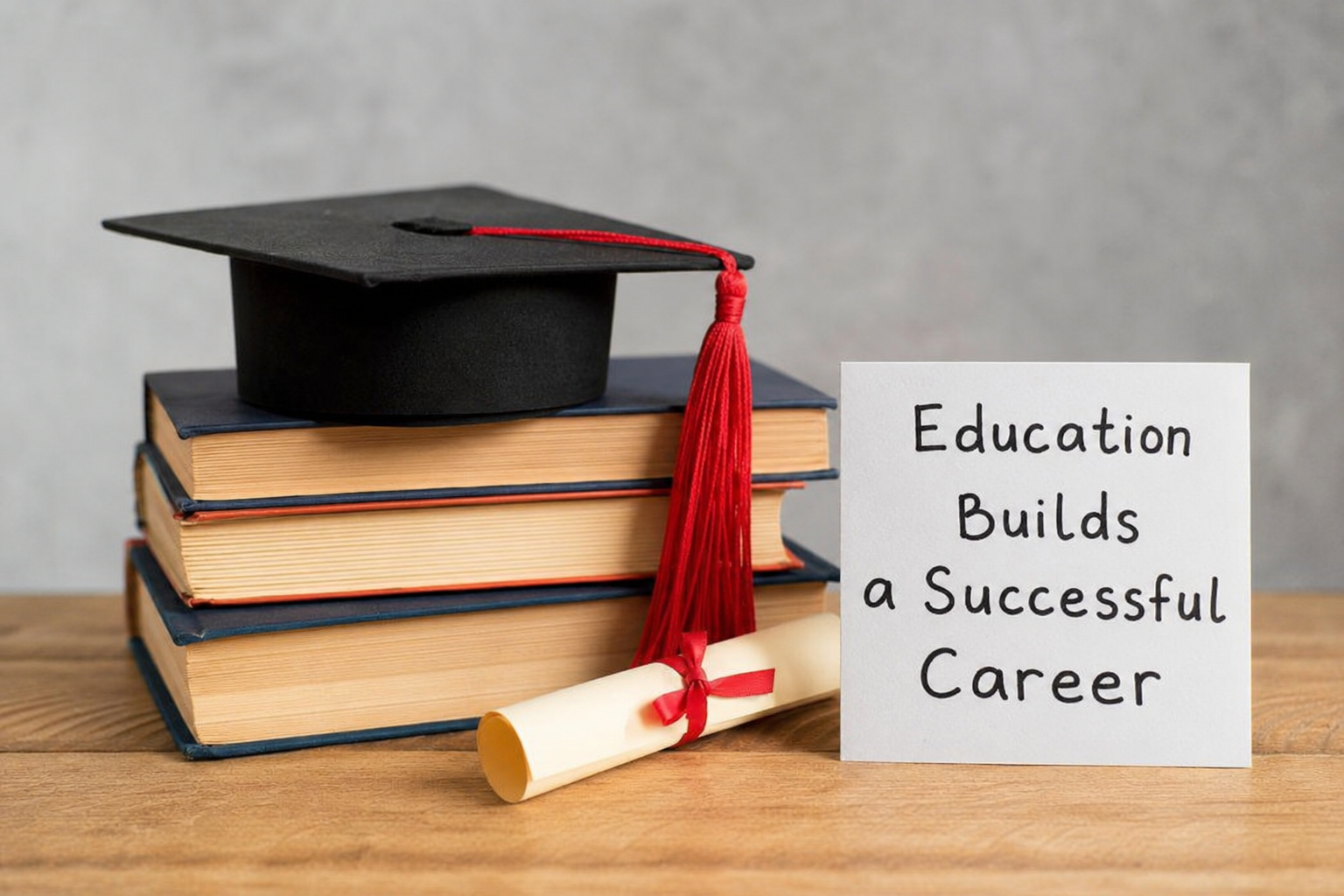
Education plays an important role in building a successful career. It gives people knowledge, develops useful skills, improves confidence, and helps them understand how to solve problems in real life. In today’s competitive world, having a good education can make it easier for students and young professionals to find better career opportunities and grow in their chosen fields.
A successful career does not depend only on having a degree. It also requires practical skills, communication, confidence, discipline, and a willingness to keep learning. Education helps develop many of these qualities and prepares individuals to face professional challenges. Whether someone wants to become a teacher, doctor, engineer, business owner, designer, programmer, or professional in another field, education can provide a strong foundation for career success.
Education Provides Knowledge and Skills
One of the biggest ways education helps build a successful career is by providing knowledge and skills. Students learn important concepts related to their chosen subjects and develop an understanding of how different industries work.
For example, a student studying computer science can learn programming, software development, databases, and other technical skills. A business student can learn about marketing, finance, management, and entrepreneurship. This knowledge can help people perform their professional responsibilities more effectively.
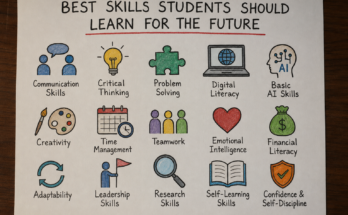
Education also teaches general skills that are useful in almost every career. Reading, writing, research, communication, problem solving, and critical thinking are valuable skills that employers look for when hiring workers.
Education Improves Career Opportunities
Education can open the door to many career opportunities. Many professional jobs require specific educational qualifications before a person can apply. Doctors, engineers, teachers, lawyers, accountants, and other professionals usually need formal education and training.
Having the right educational background can help a person qualify for jobs that offer better responsibilities and career growth. Employers often use educational qualifications as one way to understand whether an applicant has the basic knowledge needed for a particular position.
Education can therefore increase the number of career choices available to a person. Instead of being limited to a small number of jobs, an educated individual may have opportunities in different industries and professional areas.
Education Builds Communication Skills
Good communication is an important part of career success. Employees need to communicate with managers, coworkers, customers, clients, and business partners. Education gives students many opportunities to improve their communication skills.
Students participate in classroom discussions, presentations, group projects, written assignments, and research activities. These experiences can help them become more comfortable expressing their ideas.
Strong communication skills can make a person more confident during job interviews and professional meetings. They can also help employees explain ideas clearly, work with teams, and build positive relationships in the workplace.
Education Develops Critical Thinking
Modern careers often require people to make decisions and solve difficult problems. Education helps students develop critical thinking skills so they can analyze information before making decisions.
Instead of simply memorizing information, students can learn how to ask questions, compare different ideas, identify problems, and find logical solutions. These abilities are useful in almost every profession.
For example, a business manager may need to understand why sales are decreasing. An engineer may need to find the cause of a technical problem. A teacher may need to find a better way to help students understand a difficult topic. Critical thinking helps professionals handle such situations effectively.
Education Builds Confidence
Confidence is another important factor in career development. People who understand their subject and have developed useful skills are often more confident when facing professional challenges.
Education gives students opportunities to complete projects, take examinations, participate in discussions, and present their work. These experiences can help them become more comfortable with challenges and responsibilities.
Confidence can also help during job interviews. A person who can clearly explain their knowledge and skills may make a stronger impression on employers. As professionals gain more knowledge and experience, their confidence can continue to grow.
Education Teaches Discipline and Responsibility
Career success requires discipline and responsibility. Education helps students develop these qualities through regular classes, assignments, deadlines, examinations, and projects.
Students learn that completing work on time is important. They also learn how to organize their responsibilities and manage their available time. These habits can become valuable in professional life.
An employee who arrives on time, completes tasks properly, meets deadlines, and takes responsibility for their work is more likely to gain the trust of employers and coworkers.
Education Helps With Networking
Schools, colleges, universities, and training institutions can provide opportunities to meet people from different backgrounds. Students can develop relationships with teachers, classmates, professionals, and other individuals who may become valuable contacts in the future.
Networking can help people learn about career opportunities, internships, training programs, and professional events. A teacher may recommend a student for an opportunity, while a classmate may later become a business partner or colleague.
Building positive professional relationships during education can therefore support long term career development.
Education Encourages Personal Growth
Education is not only about academic knowledge. It can also support personal growth. Students learn how to work with different people, deal with challenges, accept feedback, and improve their weaknesses.
These experiences can help individuals understand their strengths and interests. A student may discover a passion for technology through a computer project or develop an interest in business after participating in an entrepreneurship activity.
Understanding personal interests can make it easier to choose a career path that matches individual abilities and goals.
Education Helps People Adapt to Change
The job market continues to change because of technology, new industries, and changing customer needs. People who stop learning may find it difficult to keep up with these changes.
Education develops a habit of learning. Students become familiar with researching information, learning new concepts, and improving their knowledge. This can help professionals adapt when their industries change.
For example, many careers now require digital skills. Employees who are willing to learn new software, online tools, and modern technologies can remain competitive in the workplace.
Practical Education Prepares Students for Work
Traditional academic knowledge is valuable, but practical learning is also important for career success. Internships, workshops, projects, vocational training, and practical assignments allow students to apply what they learn.
Practical experience helps students understand what a real workplace is like. It can also help them develop teamwork, communication, time management, and problem solving skills.
Students should therefore look for educational opportunities that provide both theoretical knowledge and practical experience. This combination can make the transition from education to employment easier.
Education Supports Career Growth
Education does not stop being useful after getting the first job. Professionals can continue learning through courses, certifications, workshops, training programs, and higher education.
Continuous learning can help employees qualify for promotions and take on greater responsibilities. It can also help professionals move into new career areas when their interests or goals change.
For example, an employee working in marketing may learn data analysis or digital marketing to expand their career opportunities. A teacher may complete additional training to develop modern teaching methods. Continuous education can help professionals remain valuable in a changing job market.
Education Can Support Financial Stability
A successful career can contribute to financial stability, and education can play a role in improving earning opportunities. Jobs that require specialized knowledge and professional qualifications may provide better income and career growth.
However, education alone does not guarantee a high salary. Career success also depends on experience, skills, performance, industry demand, location, and personal effort. The important point is that education can provide the foundation needed to compete for better professional opportunities.
Education Helps Build Leadership Skills
Leadership skills are important for people who want to progress into management or senior professional positions. Education can help students develop leadership through group projects, presentations, student organizations, competitions, and other activities.
Students can learn how to cooperate with others, make decisions, solve conflicts, and take responsibility for a team. These experiences can prepare them for leadership responsibilities later in their careers.
Conclusion
Education helps build a successful career by providing knowledge, developing important skills, improving confidence, and creating opportunities for personal and professional growth. It teaches students how to communicate, think critically, solve problems, manage responsibilities, and adapt to change.
A degree can open doors, but long term career success requires continuous learning and practical experience. People who combine education with hard work, communication skills, discipline, experience, and a willingness to learn can improve their chances of achieving their professional goals.
In the modern job market, education should be viewed as a foundation for lifelong growth rather than simply a requirement for getting a job. The knowledge and habits developed through education can help individuals make better career decisions, handle workplace challenges, and continue progressing throughout their professional lives. With the right education and a positive attitude toward learning, students can build the skills and confidence they need for a successful career.