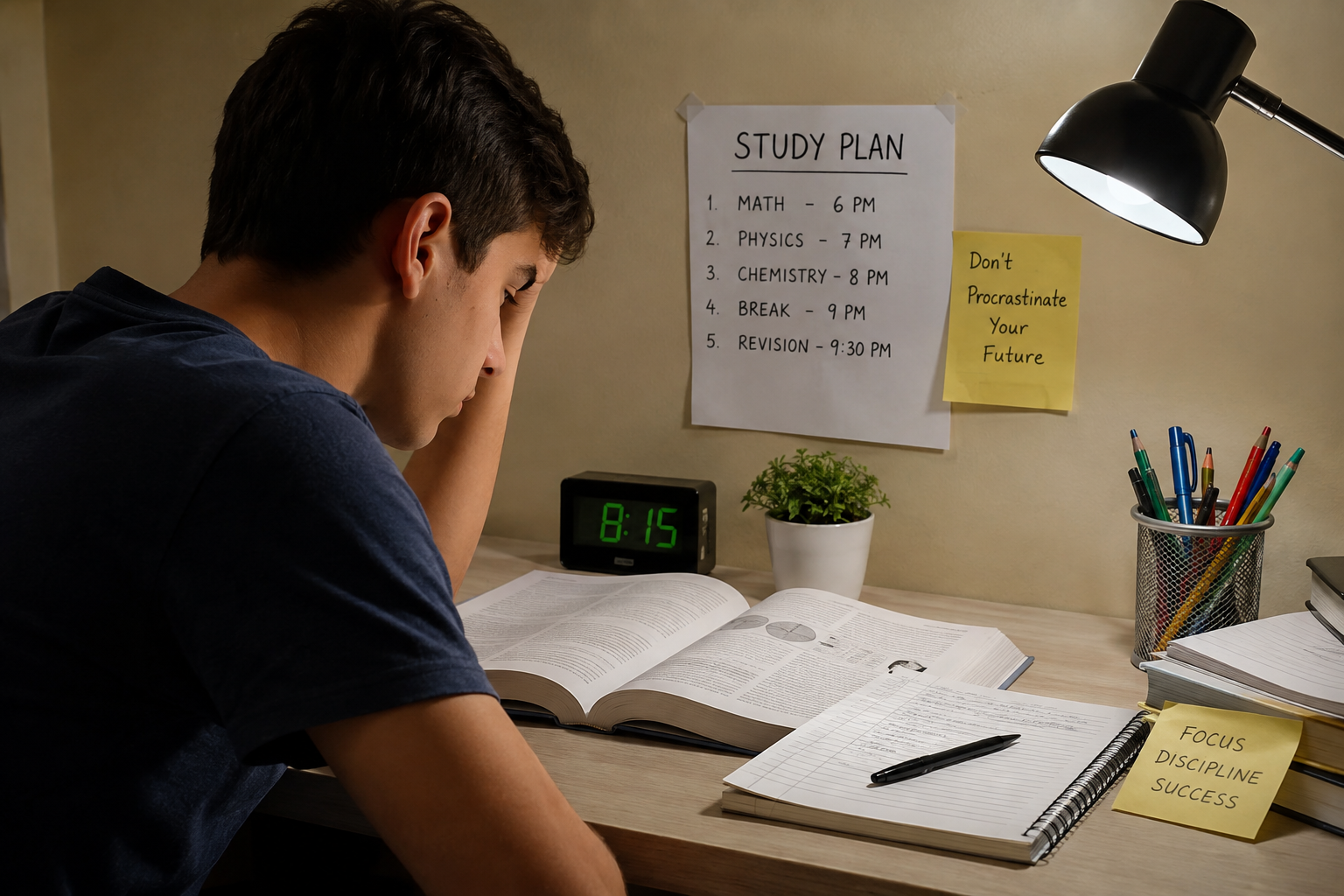
Procrastination is one of the most common problems students face during their academic journey. Many students know what they need to do, but they keep delaying their work until the last moment. They may spend time watching videos, using social media, talking with friends, playing games, or doing other activities instead of studying. When the deadline becomes close, stress and pressure increase, making the work even more difficult.
Learning how to avoid procrastination as a student can help you become more organized, confident, and successful. The good news is that procrastination is not a permanent habit. With simple changes in your daily routine and study habits, you can learn to start your work on time and complete your academic tasks without unnecessary stress.
Understand Why Students Procrastinate
The first step to stop procrastinating is understanding why you delay your work. Procrastination is not always caused by laziness. Sometimes students avoid studying because a task looks difficult or boring. Other students may feel nervous because they are worried about making mistakes.
A large assignment can also feel overwhelming when you look at the entire task at once. Instead of starting, you may tell yourself that you will do it later. Unfortunately, later often becomes tomorrow, and tomorrow becomes the day before the deadline.
Once you understand the reason behind your procrastination, it becomes easier to find a solution. If a task feels difficult, break it into smaller parts. If you are distracted by your phone, keep it away while studying.
Set Clear Study Goals
One effective way to avoid procrastination as a student is to set clear and realistic study goals. Instead of saying, “I need to study today,” create a specific goal such as, “I will read two chapters of biology from 4 PM to 5 PM.”
Clear goals give your mind a specific direction. They also make it easier to measure your progress. Try to write down the tasks you want to complete each day.
Your goals should be realistic. If you create an extremely difficult schedule, you may become frustrated when you cannot complete everything. Start with manageable goals and gradually increase your study time.
Create a Daily Study Schedule
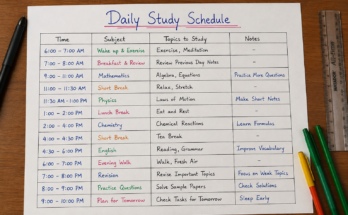
A daily study schedule can make a major difference in your academic routine. When you already know what you need to do and when you need to do it, you spend less time deciding where to start.
Choose specific times for studying, completing assignments, reviewing lessons, and taking breaks. Try to follow the same routine each day so studying becomes a normal part of your lifestyle.
For example, you could study mathematics in the afternoon, review science in the evening, and spend some time reading before going to bed. A consistent routine can help reduce the habit of delaying important work.
Break Large Tasks Into Smaller Tasks
Large assignments often cause procrastination because they appear difficult to complete. Instead of focusing on the entire assignment, divide it into small steps.
For example, if you have to write an essay, do not think about writing the whole essay at once. Start by choosing a topic. Then collect information, create an outline, write the introduction, complete the main sections, and finally check your work.
Small tasks feel easier and give you a sense of progress. Every completed step can increase your motivation to continue.
Use the Five Minute Rule
When you do not feel like studying, tell yourself that you will work for only five minutes. The purpose of this technique is to overcome the difficulty of starting.
Once you begin, you may discover that the task is not as difficult as you imagined. After five minutes, you may naturally continue for twenty or thirty minutes.
The most difficult part of many tasks is simply getting started. By making the starting point small, you can reduce resistance and build momentum.
Remove Distractions
Distractions are one of the biggest causes of student procrastination. Mobile phones, social media, television, games, and unnecessary notifications can quickly take your attention away from your studies.
Before starting your study session, remove as many distractions as possible. Put your phone on silent mode or place it somewhere away from your desk. Close websites that are not related to your studies and turn off unnecessary notifications.
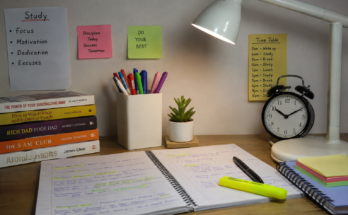
A quiet and organized study environment can help you concentrate for longer periods.
Avoid Multitasking While Studying
Many students believe they can study effectively while checking messages or watching videos. In reality, switching between different activities can make it harder to focus.
Try to give your full attention to one task at a time. If you are studying mathematics, focus on mathematics. When you finish your planned study session, you can take a break and check your phone.
Focused study sessions are usually more productive than spending several hours moving between different distractions.
Use Short Study Sessions
You do not always need to study for several hours without stopping. Long study sessions can make you tired and reduce your concentration.
Try studying for a focused period followed by a short break. For example, you can study for twenty five or thirty minutes and then take a five minute break. During the break, stand up, drink water, stretch, or relax for a few minutes.
Short and focused sessions can make studying feel easier and help you maintain your energy.
Do Not Wait for Motivation
One common mistake students make is waiting until they feel motivated before starting their work. Motivation can change from day to day. If you only study when you feel motivated, you may continue delaying your responsibilities.
Instead, build discipline through a regular routine. Start your work even when you do not feel excited about it. After you begin making progress, motivation often comes naturally.
Action can create motivation. You do not always need motivation before taking action.
Reward Yourself After Completing Tasks
Small rewards can make studying more enjoyable. After completing an important task, give yourself something positive to look forward to.
For example, after finishing a chapter, you could listen to music, have a snack, talk with a friend, or spend a limited amount of time on social media.
The important thing is to make sure the reward comes after your work rather than replacing your work. This can help train your brain to connect completing tasks with positive experiences.
Keep Track of Your Progress
Tracking your progress can help you stay motivated. Write down the tasks you complete each day and look at your achievements at the end of the week.
You may be surprised by how much you can accomplish when you consistently complete small tasks. Seeing your progress can also encourage you to continue your new habits.
You can use a notebook, calendar, planner, or simple digital tool to track your academic goals.
Avoid Perfectionism
Perfectionism can also lead to procrastination. Some students delay starting because they believe their work must be perfect. They may worry about making mistakes or producing something that is not good enough.
Remember that starting with an imperfect first attempt is better than never starting. You can improve your work after creating the first draft.
Focus on progress rather than perfection. Once the work exists, you have something that you can review, correct, and improve.
Take Care of Your Body and Mind
Your physical and mental energy can affect your ability to study. Poor sleep, lack of exercise, dehydration, and unhealthy routines can make concentration more difficult.
Try to get enough sleep, drink enough water, eat balanced meals, and include some physical activity in your daily routine. When your body feels better, studying can become easier.
Taking proper breaks is also important. Rest does not mean wasting time. It can help you return to your studies with better focus.
Start With the Most Important Task
If you have many assignments, identify the most important or urgent one and start there. Completing an important task early can reduce stress for the rest of the day.
You do not need to complete every task at once. Choose one important responsibility, focus on it, and then move to the next one.
This approach can prevent your workload from becoming overwhelming.
Learn From Your Mistakes
Everyone procrastinates sometimes. If you delay an assignment, do not spend too much time blaming yourself. Instead, think about what caused the delay.
Ask yourself what happened. Were you distracted? Was the task too difficult? Did you forget the deadline? Did you create an unrealistic schedule?
Use the answer to improve your future routine. Every mistake can teach you something about how you work best.
Conclusion
Learning how to avoid procrastination as a student requires patience, discipline, and consistent effort. You do not need to completely change your life in one day. Start with small improvements that you can maintain.
Create a daily study schedule, set clear goals, break large assignments into smaller tasks, remove distractions, use short study sessions, and start working even when you do not feel motivated. Most importantly, focus on progress instead of perfection.
When you stop waiting for the perfect time and begin taking small actions, studying becomes easier and more manageable. By developing good study habits and controlling procrastination, you can reduce academic stress, improve productivity, and move closer to your educational goals.