
Higher education plays an important role in building a successful career and creating better opportunities for the future. In today’s competitive job market, having basic education is often not enough to achieve professional goals. Employers look for candidates who have strong knowledge, practical skills, confidence, and the ability to handle professional responsibilities. Higher education helps students develop these qualities while preparing them for their chosen careers.
A college or university education gives students the opportunity to learn specialized subjects and understand their chosen field in greater detail. It also helps them improve communication, problem solving, critical thinking, and decision making skills. For many careers, a degree is also an important requirement for getting a good job. This is why the importance of higher education for career success continues to grow in the modern world.
Better Career Opportunities
One of the biggest benefits of higher education is that it can create better career opportunities. Many professional jobs require candidates to have a college or university degree. Fields such as engineering, medicine, education, information technology, business, law, and finance often require specialized academic qualifications.
A higher education degree can help students qualify for positions that may not be available to people with only basic education. It can also make a candidate more competitive when applying for jobs. When employers receive applications from many qualified people, educational background can become an important factor in the selection process.
Higher education does not guarantee a job, but it can increase the number of career options available to a person. Students who complete their education can explore different industries and choose positions that match their interests and skills.
Development of Professional Skills
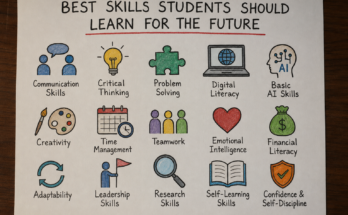
Career success requires more than academic knowledge. Employees need communication skills, teamwork, time management, creativity, leadership, and problem solving abilities. Higher education provides many opportunities to develop these professional skills.
Students often work on presentations, research projects, group assignments, and practical activities. These experiences teach them how to communicate ideas, work with different people, meet deadlines, and solve problems. Such skills are useful in almost every workplace.
For example, a student studying business may learn about management and marketing while also developing presentation and teamwork skills. A computer science student may learn programming while improving logical thinking and project management abilities. These skills can make graduates more prepared for professional life.
Specialized Knowledge and Expertise
Another important benefit of higher education is specialized knowledge. Universities and colleges allow students to focus on specific areas of study. This helps them develop expertise that can be useful in their chosen profession.
A person interested in accounting can study financial management and accounting principles. Someone interested in technology can study software development, artificial intelligence, data science, or cybersecurity. Students can choose programs according to their career interests and long term goals.
Specialized knowledge can help professionals perform their jobs more effectively. It can also provide a foundation for further learning as industries continue to change.
Higher Earning Potential
Higher education can also contribute to better earning potential. People with advanced qualifications often have access to professional positions that offer competitive salaries and opportunities for career growth.
Income depends on many factors, including experience, industry, location, skills, and job demand. However, education can provide a strong foundation for entering professions with higher earning opportunities.
As professionals gain experience and improve their skills, they may move into senior positions with greater responsibilities and better compensation. Higher education can therefore be an important investment in long term career development.

Building Confidence and Independence
Education can help students become more confident and independent. Learning new subjects, completing difficult assignments, participating in discussions, and solving academic problems can gradually improve self confidence.
University life also teaches students how to manage their responsibilities. They may need to organize their schedules, complete assignments on time, prepare for examinations, and make important academic decisions. These experiences can prepare them for similar responsibilities in the workplace.
Confidence is important for career success because professionals often need to communicate with colleagues, managers, customers, and clients. A confident person is generally better prepared to share ideas and handle professional challenges.
Networking and Professional Connections
Higher education provides valuable opportunities for networking. Students meet teachers, classmates, researchers, industry professionals, and other people who may become important connections in their careers.
Building professional relationships can help students learn about internships, job opportunities, training programs, and career events. Classmates can also become future business partners or professional contacts.
Universities often organize career fairs, workshops, seminars, and networking events. These activities can help students understand the job market and connect with organizations that are looking for talented graduates.
Professional networking can continue to provide benefits long after graduation. Strong relationships can support career development and create new opportunities throughout a person’s professional life.
Access to Internships and Practical Experience
Higher education can provide students with opportunities to gain practical experience. Internships, projects, laboratory work, field training, and other practical activities can help students understand how their knowledge is used in real situations.
Practical experience is valuable because employers often want candidates who can apply what they have learned. A student who has completed an internship may have a better understanding of workplace communication, professional behavior, and daily job responsibilities.
Practical learning also helps students discover whether a particular career is right for them. They can experience different tasks and understand the challenges of their chosen industry before entering the full time job market.
Improved Critical Thinking
Critical thinking is one of the most valuable skills developed through higher education. Students are encouraged to analyze information, compare ideas, ask questions, and make logical decisions.
These abilities are useful in almost every career. Professionals regularly face problems that require careful analysis. They may need to study information, identify possible solutions, and choose the most effective option.
Higher education teaches students not to accept every piece of information without thinking about its reliability and importance. This habit can help them make better professional decisions.
Better Adaptation to Changes
The modern job market changes quickly because of technology, globalization, and new business practices. Employees need to continue learning throughout their careers.
Higher education helps students develop a habit of learning and adapting. Once students understand how to research information and learn new concepts, they can continue developing their skills after graduation.
For example, new software and technologies may change the way people work. A graduate who has strong learning skills can adapt more easily by taking courses, attending training programs, or studying new tools.
Opportunities for Career Growth
Higher education can also support long term career growth. A degree may help a person enter an organization, but additional education and professional development can help them move toward leadership and management positions.
Some careers require advanced degrees for senior roles. Professionals may choose to complete master’s degrees, professional certifications, or other specialized programs to improve their qualifications.
Career growth is not only about earning more money. It can also involve gaining greater responsibility, becoming a team leader, managing projects, or becoming an expert in a particular field.
Personal and Professional Development
The benefits of higher education extend beyond employment. College and university experiences can contribute to personal development as well.
Students meet people from different backgrounds and learn about new ideas and perspectives. This can improve their communication skills and help them become more open minded.
Higher education can also encourage discipline, responsibility, creativity, and self motivation. These qualities can help people in both their personal and professional lives.
Higher Education and Career Success
The importance of higher education for career success is clear because education provides knowledge, skills, qualifications, confidence, and professional connections. It can open doors to better career opportunities and help individuals prepare for the changing demands of the workplace.
However, students should remember that a degree alone does not guarantee career success. Success also requires hard work, practical experience, continuous learning, good communication, professional behavior, and the willingness to improve.
Students should choose their educational programs carefully and consider their interests, abilities, career goals, and future job opportunities. They should also take advantage of internships, networking events, practical projects, and extracurricular activities during their education.
Conclusion
Higher education is an important investment in a person’s future. It provides specialized knowledge, develops professional skills, improves confidence, creates networking opportunities, and can increase access to better career options. In a competitive employment market, these advantages can make a significant difference.
The importance of higher education for career success is not limited to earning a degree. The real value comes from the knowledge, experience, skills, relationships, and personal growth gained during the educational journey. Students who combine higher education with practical experience and continuous learning can build strong foundations for successful and rewarding careers.