
Parents play an important role in a child’s education. While teachers provide lessons and guidance at school, parents can create a positive learning environment at home. When children feel supported by their parents, they often become more confident, motivated, and responsible about their studies. Supporting a child’s education does not mean doing homework for them or putting pressure on them to get perfect grades. It means helping them develop good learning habits, encouraging curiosity, and showing interest in their academic progress.
In today’s busy world, parents may find it difficult to balance work, family responsibilities, and their child’s education. However, even small actions can make a big difference. Parents can support their child by creating a study routine, communicating with teachers, encouraging reading, helping with time management, and providing emotional support. This article explains practical ways parents can support their child’s education and help them become successful learners.
Create a Positive Learning Environment at Home
A comfortable learning environment can help children focus better on their studies. Parents should provide a quiet and organized place where their child can read, write, complete homework, and prepare for tests. The study area does not need to be expensive or large. A clean table, comfortable chair, good lighting, and basic school supplies may be enough.
Parents should also reduce distractions during study time. Television, loud conversations, and unnecessary phone use can make it difficult for children to concentrate. When children have a regular place for studying, they can gradually develop a habit of focusing on their schoolwork.
Encourage a Regular Study Routine
A regular study routine helps children understand when it is time to study and when it is time to relax. Parents can help their children create a simple daily schedule that includes schoolwork, reading, physical activity, meals, family time, and sleep.
The schedule should be realistic. Children should not be expected to study for many hours without breaks. Short study sessions with regular breaks can often be more effective. Parents can encourage their children to complete important tasks first and then move toward less urgent activities.
A consistent routine can also teach children valuable time management skills that will help them throughout their education and future careers.
Show Interest in Your Child’s Schoolwork
One of the easiest ways parents can support their child’s education is by showing genuine interest in what they are learning. Parents can ask questions such as what they learned at school, which subject they enjoyed, or whether they found any lesson difficult.
Parents should listen carefully instead of immediately giving advice. When children feel that their parents are interested in their education, they are more likely to talk about their experiences and challenges.
Even if parents do not understand every subject, they can still provide support. They can encourage their child to find answers, use educational resources, or ask a teacher for additional help.
Encourage Reading Every Day
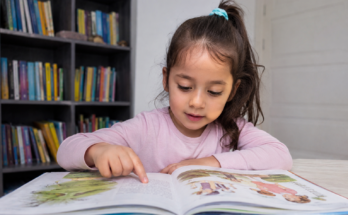
Reading is one of the most useful habits parents can develop in their children. Regular reading can improve vocabulary, writing skills, comprehension, general knowledge, and communication abilities.
Parents can encourage children to read books, newspapers, educational magazines, or age appropriate online materials. It is helpful to allow children to choose topics they enjoy because personal interest can make reading more enjoyable.
Parents can also read themselves. When children see adults reading regularly, they may naturally become more interested in reading. A few minutes of reading every day can become a powerful lifelong habit.

Help Children Set Academic Goals
Children can become more motivated when they have clear academic goals. Parents can help them set simple and realistic goals based on their abilities and needs. For example, a child may decide to improve their mathematics score, complete homework on time, read one book each month, or learn new vocabulary every week.
Goals should focus on progress rather than perfection. Parents should celebrate improvement and effort instead of only celebrating high grades. This approach helps children understand that learning is a process.
Parents can regularly discuss goals with their children and help them identify what is working and what needs improvement. This teaches children responsibility and encourages them to take ownership of their education.
Provide Help Without Doing the Work
Parents often want to help when their child struggles with homework. However, completing the work for them is not a good way to support learning. Children need opportunities to think, solve problems, make mistakes, and find solutions independently.
Parents can explain difficult concepts, ask helpful questions, or guide their children toward useful resources. Instead of giving the answer immediately, parents can ask what the child already understands about the problem.
This type of support develops problem solving skills and confidence. Children learn that they can overcome challenges with patience and effort.
Communicate With Teachers
Good communication between parents and teachers can have a positive effect on a child’s education. Parents should stay informed about school activities, academic progress, assignments, and areas where their child may need additional support.
Attending parent teacher meetings is a useful way to understand a child’s strengths and weaknesses. Parents can ask teachers about study habits, classroom behavior, participation, and academic performance.
Teachers can also provide useful suggestions that parents can follow at home. When parents and teachers work together, children receive consistent guidance and support.
Teach Good Time Management
Time management is an important skill for academic success. Children often have several responsibilities, including homework, tests, projects, activities, and personal interests. Without proper planning, they may feel overwhelmed.
Parents can teach children how to divide large tasks into smaller steps. A big assignment can become easier when children work on it gradually instead of waiting until the last day.
Parents can also teach children to use calendars, notebooks, planners, or simple schedules. These tools can help children understand deadlines and organize their daily responsibilities.
Support Your Child Emotionally
Academic success is not only about books and grades. Emotional support is equally important. Children may experience stress because of difficult subjects, examinations, competition, or fear of failure.
Parents should create an environment where children feel safe discussing their worries. Instead of criticizing them for mistakes, parents can help them understand what went wrong and how they can improve.
Simple words of encouragement can have a powerful effect. Telling a child that effort matters and that mistakes are part of learning can help build confidence.
Avoid Comparing Children With Others
Every child learns at a different pace. Comparing one child with siblings, classmates, or friends can reduce confidence and create unnecessary pressure.
Parents should focus on their child’s personal progress. If a child has improved from their previous performance, that improvement deserves recognition.
Positive encouragement can motivate children to continue working hard. Children need to understand that their value is not determined by grades alone.
Encourage Healthy Habits
Healthy habits can support better learning. Children need enough sleep, nutritious food, physical activity, and regular breaks. When children are tired or hungry, they may find it harder to concentrate.
Parents should encourage a balanced daily routine that includes study and relaxation. Outdoor play and physical activity can also provide a useful break from academic work.
Sleep is particularly important because children need adequate rest for concentration, memory, and overall well being. A healthy lifestyle can make it easier for children to stay focused and active during school hours.
Use Technology Wisely
Technology can be a valuable educational tool when used properly. Children can use educational websites, learning applications, digital libraries, videos, and online courses to understand difficult topics.
However, parents should help children maintain a healthy balance between educational technology and entertainment. Excessive screen time can become a distraction from homework, reading, sleep, and physical activity.
Parents can discuss responsible technology use with their children and encourage them to use digital devices for productive purposes.
Celebrate Effort and Progress
Parents should recognize effort, improvement, and persistence. A child who struggles with a subject but continues practicing deserves encouragement.
Celebrating small achievements can help children develop a positive attitude toward learning. Parents can praise specific actions, such as completing homework on time, studying consistently, asking questions, or improving a test score.
This kind of positive reinforcement can encourage children to continue developing good academic habits.
Conclusion
Parents can support their child’s education in many simple and meaningful ways. Creating a positive learning environment, encouraging reading, establishing a study routine, communicating with teachers, supporting academic goals, and providing emotional encouragement can all contribute to better learning.
The most important thing is for parents to remain involved without creating unnecessary pressure. Children need guidance, patience, encouragement, and opportunities to become independent learners.
When parents show genuine interest in education and celebrate effort instead of focusing only on grades, children can develop confidence and a stronger desire to learn. By working together with teachers and understanding their child’s individual needs, parents can provide the support children need to succeed in school and build a strong foundation for their future.