Learning does not have to happen only inside a classroom. School children can learn new things through games, creative projects, reading, experiments, outdoor activities, and simple daily tasks. The best learning activities for school children are those that make learning enjoyable while helping children improve their knowledge, confidence, creativity, communication, and problem solving skills.
Parents and teachers can use different activities according to the age, interests, and learning needs of children. When children enjoy an activity, they are more likely to participate actively and remember what they learn. This is why learning through activities can be an effective way to support school education.
Why Learning Activities Are Important for Children
Children naturally learn by exploring the world around them. Learning activities give them opportunities to ask questions, make decisions, solve problems, and discover new ideas. These activities can also make difficult subjects easier to understand.
Regular learning activities can improve concentration and memory. They can also develop social skills when children work together with classmates, friends, or family members. Activities such as group games and projects teach children how to communicate, share ideas, listen to others, and work as a team.
Another important benefit is confidence. When children complete a task successfully, they feel proud of their achievement. This positive experience can encourage them to try new things and become more independent learners.
1. Reading Activities
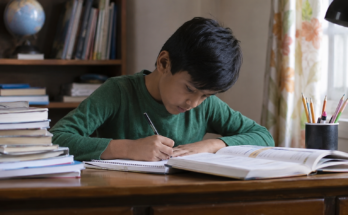
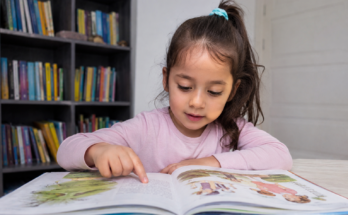
Reading is one of the best learning activities for school children. Parents can encourage children to read storybooks, short articles, poems, comics, and age appropriate educational books.
After reading a story, parents can ask simple questions about the characters, events, and main idea. Children can also be asked to explain the story in their own words. This helps improve reading comprehension and communication skills.
A small reading challenge can make the activity more interesting. For example, children can choose a few books to read during a month and write down their favorite characters or lessons from each story.
2. Educational Games
Educational games are a fun way to teach children important concepts. Word games can improve vocabulary, while number games can help children practice basic mathematics.
Parents and teachers can use puzzles, memory games, matching games, spelling games, and simple quizzes. These activities can make children think carefully while keeping them interested in learning.
Educational games are especially useful for children who find traditional studying boring. A game can turn a difficult lesson into an enjoyable experience.
3. Science Experiments
Simple science experiments can help children understand how things work. Many experiments can be completed using safe household materials under adult supervision.
For example, children can learn about floating and sinking by placing different objects in water. They can also observe how plants grow by planting seeds and recording their development.
Science activities encourage curiosity. Children learn to make observations, ask questions, predict results, and understand what happens after an experiment. These are important skills for scientific thinking.
4. Creative Drawing and Painting
Drawing and painting are excellent learning activities for school children because they allow children to express their thoughts and imagination.
Parents can give children a topic and ask them to draw something related to it. For example, after learning about animals, children can draw their favorite animal and write a few sentences about it.
Creative activities can improve hand coordination and concentration. They also give children an opportunity to think creatively instead of simply memorizing information.
5. Writing Activities
Writing activities can help children improve language skills and organize their thoughts. Children can keep a simple daily journal where they write about their day, something they learned, or something they enjoyed.
Story writing is another useful activity. Parents can give children a few simple words and ask them to create a short story using those words.
Writing regularly can improve spelling, grammar, vocabulary, and communication. It can also help children become more comfortable expressing their ideas.
6. Outdoor Learning Activities
Learning does not need to stay indoors. Outdoor learning activities can make education more active and enjoyable.
Children can visit a garden or park and observe different plants, insects, birds, and trees. They can collect information about what they see and discuss it later.
Outdoor activities can also include measuring distances, identifying shapes in buildings, counting objects, or learning about weather. These simple activities connect school lessons with the real world.
7. Mathematics Through Daily Activities
Mathematics becomes easier when children can see how it is used in everyday life. Parents can involve children in simple household activities that require counting, measuring, or comparing.
For example, children can count fruits, measure ingredients while helping with cooking, or calculate the total cost of a few items during shopping.
These activities show children that mathematics is not only a school subject. It is also an important part of daily life.
8. Educational Puzzles
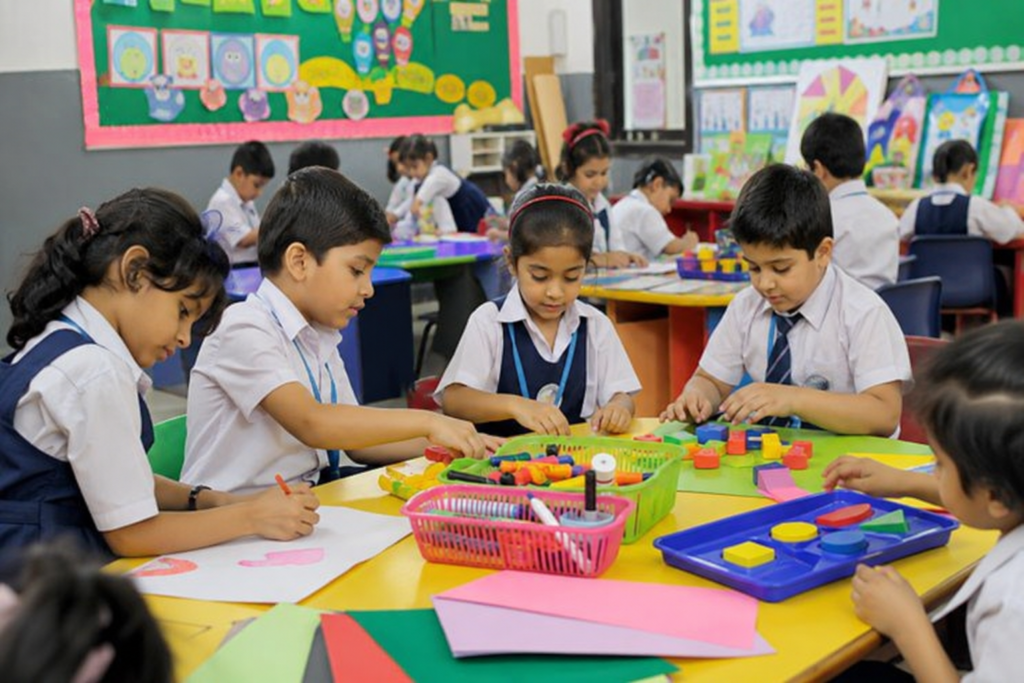
Puzzles are excellent activities for developing logical thinking and problem solving skills. Children can solve jigsaw puzzles, crossword puzzles, word searches, number puzzles, and simple logic games.
Puzzles require patience and concentration. When children try different solutions, they learn that making a mistake is part of the learning process.
Parents should choose puzzles that match the child’s age and ability. A puzzle that is too difficult may discourage a child, while an appropriate challenge can make learning exciting.
9. Group Projects
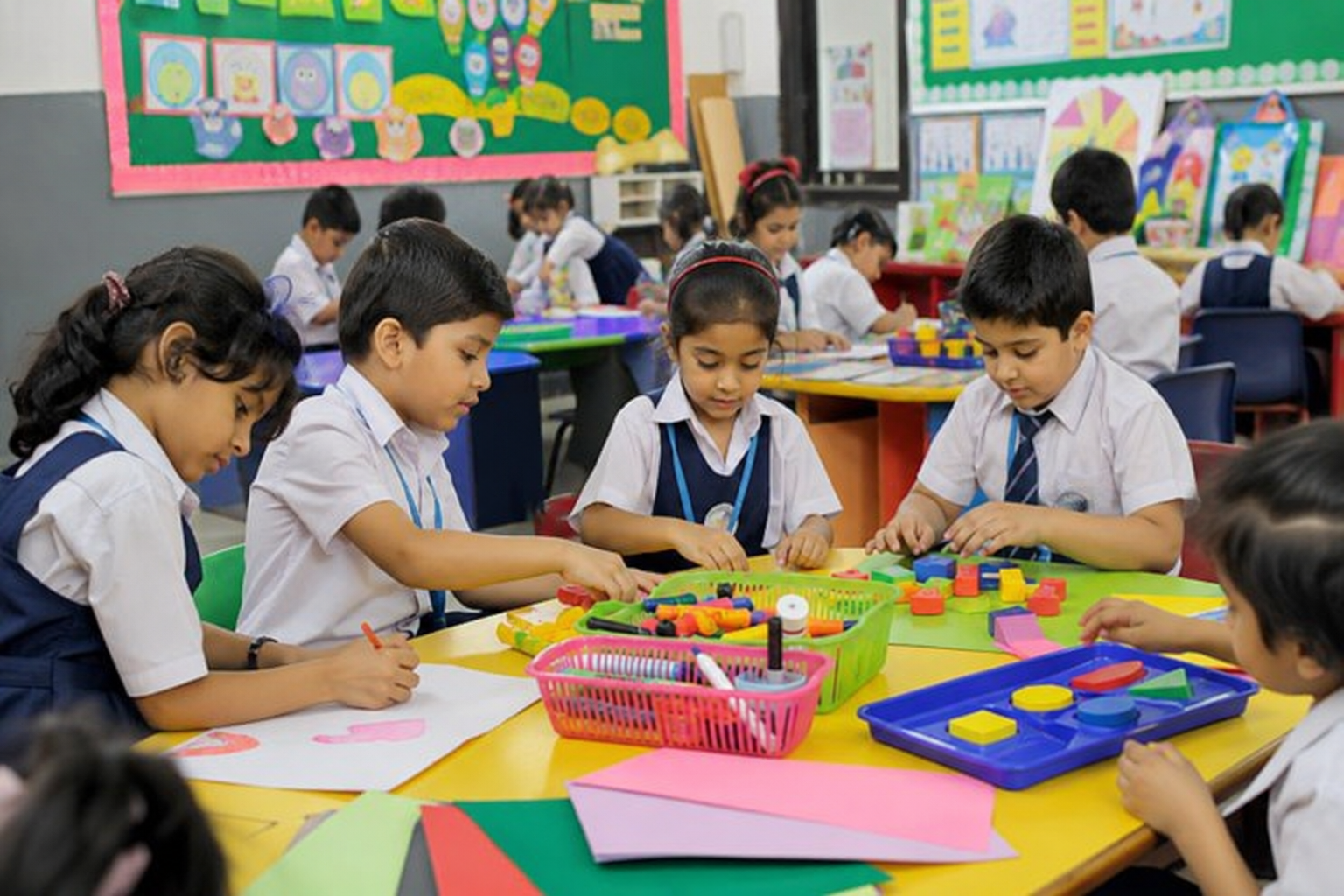
Group projects teach children how to work with others. Teachers can divide students into small groups and give them simple projects related to science, history, language, or environmental studies.
Children can divide responsibilities among themselves and present their final work to the class. This activity develops teamwork, communication, research, and presentation skills.
Group projects also teach children to respect different opinions. They learn that people can have different ideas while still working toward the same goal.
10. Role Playing Activities
Role playing is a creative learning activity that can make lessons more memorable. Children can act as historical characters, scientists, shopkeepers, teachers, doctors, or story characters.
For example, after reading a story, children can act out the main scenes. This helps them understand characters and events more deeply.
Role playing also improves speaking skills and confidence. Children who are shy may gradually become more comfortable speaking in front of others.
11. Learning With Flashcards
Flashcards are simple but useful learning tools. They can be used to teach letters, numbers, vocabulary, shapes, colors, formulas, or general knowledge.
Parents can show a card and ask the child to identify the word, picture, number, or concept. Flashcards can also be used as a quick quiz.
Short flashcard sessions are often more effective than forcing children to study for long periods. Regular practice can help children remember important information.
12. Music and Learning
Music can make learning more enjoyable. Children can learn songs related to numbers, letters, spelling, science, or other school subjects.
Rhymes and educational songs can help younger children remember information more easily. Older children can also create their own songs or rhymes about a topic they are studying.
Music activities can support memory, listening skills, creativity, and confidence.
13. Cooking as a Learning Activity
Cooking can become an interesting educational experience when children participate safely with an adult. Measuring ingredients teaches mathematics, while reading recipes supports language and reading skills.
Children can also learn about different foods, nutrition, temperature, and basic science while helping in the kitchen.
Simple tasks such as counting ingredients or measuring water can turn an ordinary household activity into a useful learning experience.
14. Nature Observation
Nature observation is an easy activity that can teach children about the environment. Children can observe clouds, plants, birds, insects, trees, and changes in weather.
They can keep a small nature notebook and write down what they observe. Drawing pictures of plants or animals can make the activity even more interesting.
This activity encourages children to spend time outdoors and develop curiosity about the natural world.
15. Educational Technology
Technology can also support children’s learning when it is used responsibly. Educational websites, learning apps, interactive quizzes, and digital books can provide additional practice.
Parents should choose age appropriate educational content and avoid allowing technology to replace other important activities. Children still need reading, outdoor play, creative activities, and face to face communication.
The goal should be to use technology as a learning tool rather than simply as entertainment.
How Parents Can Make Learning More Enjoyable
Parents do not need expensive materials to create effective learning activities. Simple household objects, books, paper, pencils, and outdoor surroundings can provide many learning opportunities.
It is also important to avoid putting too much pressure on children. Learning should be enjoyable and suitable for their age. Parents can praise effort and improvement instead of focusing only on correct answers.
Giving children choices can also increase their interest. For example, parents can ask whether the child wants to read, draw, solve a puzzle, or conduct a simple experiment. Having some control over the activity can make children more motivated.
Final Thoughts
The best learning activities for school children combine education with fun. Reading, educational games, science experiments, drawing, writing, outdoor learning, puzzles, group projects, role playing, and everyday activities can help children develop both academic and life skills.
Children learn differently, so parents and teachers should try different activities to discover what works best for each child. The most important thing is to create a positive learning environment where children feel comfortable asking questions, making mistakes, and exploring new ideas.
When learning becomes an enjoyable part of everyday life, children can develop a stronger interest in education. With the right learning activities, school children can improve their knowledge, creativity, confidence, communication, and problem solving abilities while enjoying the process of learning.