
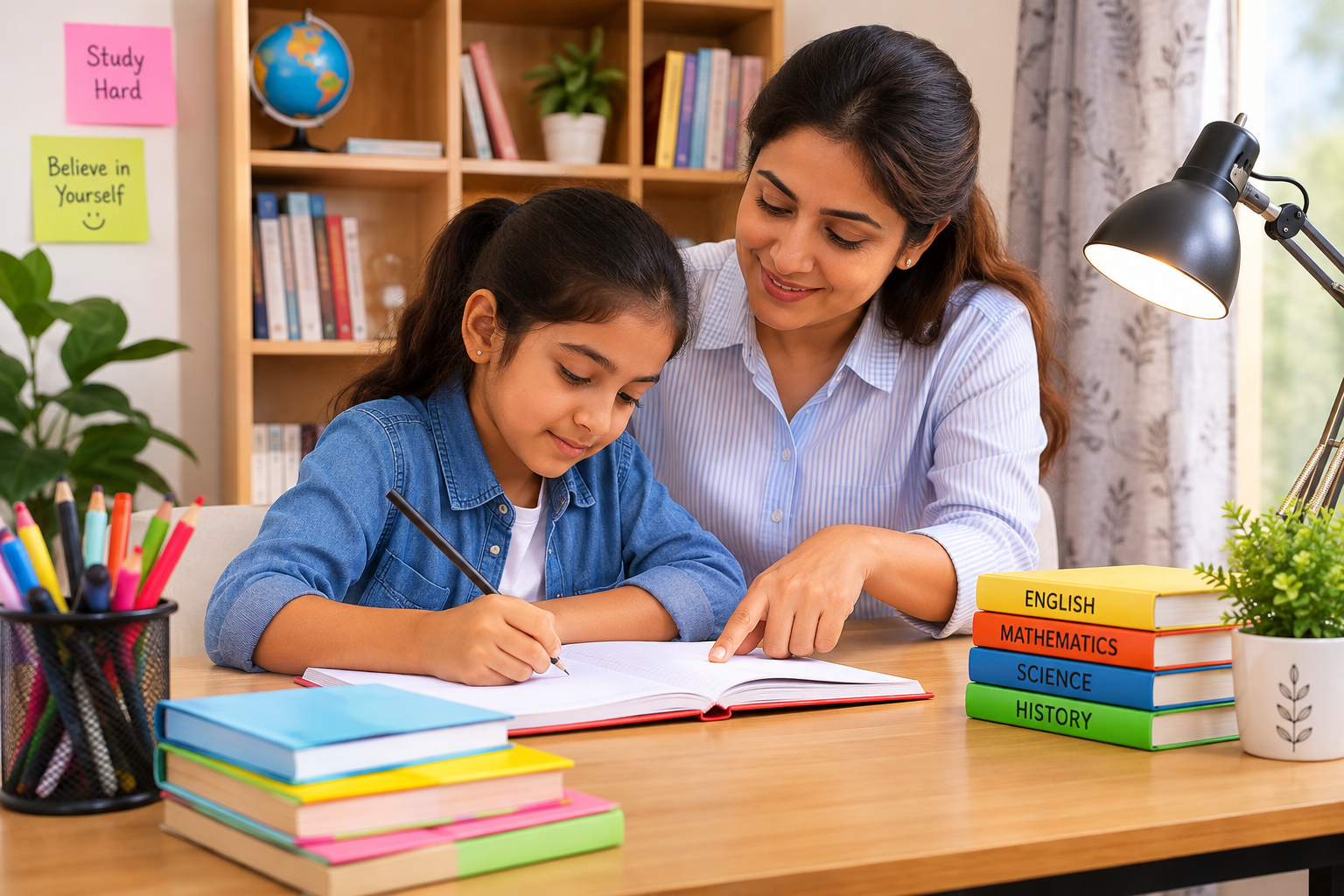
Helping children develop good study habits is one of the most valuable things parents and teachers can do for their education. Good study habits do not only help children get better grades. They also teach children how to manage time, stay organized, remain focused, complete tasks, and become more confident learners. Many children struggle with studying because they do not know where to begin or how to create a routine that works for them. With the right support, children can slowly develop healthy study habits that can benefit them throughout their school years.
Parents often think that children naturally learn how to study as they grow. However, study skills need to be taught and practiced. Every child has different learning needs, so parents should focus on creating a positive environment rather than putting too much pressure on academic results. Small daily changes can make studying easier and more enjoyable for children.
Create a Regular Study Routine
One of the best ways to help children develop good study habits is to create a regular study routine. Children usually perform better when they know what to expect each day. Choose a suitable time for homework and studying and try to follow the same schedule most days.
The study time should fit the child’s daily routine. Some children concentrate better after school, while others need time to relax, eat, and rest before studying. Parents can observe when their child feels most active and use that time for important schoolwork.
A regular study routine helps children understand that studying is a normal part of their day. Over time, they may begin to complete their work without needing constant reminders.
Provide a Quiet Study Space
A comfortable and quiet study space can make a major difference in a child’s concentration. Children often find it difficult to study when there is too much noise, television, conversation, or other activity around them.
Parents should create a simple study area where the child can keep books, notebooks, pencils, and other school supplies. The space does not need to be expensive or large. A clean table and comfortable chair can be enough.
Good lighting is also important. The study area should be bright enough for reading and writing without causing eye strain. Keeping the area organized can also teach children the importance of cleanliness and organization.
Teach Children to Set Study Goals
Children can become more motivated when they have clear study goals. Instead of telling a child to study for several hours, parents can help them decide what they want to complete during a study session.
For example, a child may set a goal to complete five mathematics questions, read one chapter, or learn ten new vocabulary words. Small and specific goals are easier to understand and achieve.
Once a child completes a goal, encourage them to recognize their progress. This can build confidence and make studying feel more manageable.
Encourage Time Management
Time management is an important part of good study habits. Children need to learn how to divide their time between schoolwork, hobbies, family activities, rest, and sleep.
Parents can help children create a simple daily schedule. The schedule can include homework, reading, revision, playtime, meals, and bedtime. Younger children may need more guidance, while older children can gradually take responsibility for managing their own schedules.
Teaching time management early can help children become more independent. They will also be better prepared to handle larger workloads as they move into higher grades.
Teach Children to Avoid Distractions
Distractions are one of the biggest problems children face while studying. Mobile phones, video games, television, social media, and unnecessary internet use can make it difficult to concentrate.
Parents should explain why distractions can affect learning instead of simply taking everything away. During study time, unnecessary devices can be kept away from the study area. If a computer or tablet is required for schoolwork, children should be taught to use it mainly for educational purposes during that time.
Short study sessions can also help children maintain concentration. Younger children may benefit from studying for a shorter period followed by a small break. As concentration improves, study periods can gradually become longer.
Encourage Reading Every Day
Daily reading is another excellent way to develop good study habits. Reading improves vocabulary, comprehension, concentration, and general knowledge. Children who read regularly may also find it easier to understand school subjects.
Parents can encourage children to read books, stories, magazines, or age appropriate educational material. The goal should not always be academic reading. Children should also have opportunities to read about topics they enjoy.
Parents can make reading more enjoyable by discussing books with their children. Asking simple questions about what they read can improve understanding and encourage children to think about the information.
Teach Children to Take Useful Notes
Note taking is an important study skill, especially as children become older. Instead of copying everything from a textbook, children should learn to identify important information.
Parents can teach children to write short points, important definitions, key ideas, and examples. Using headings can make notes easier to review later.
Children can also use simple diagrams, charts, and lists when appropriate. The main purpose of notes should be to make information easier to understand and remember.
Use Active Learning Methods
Simply reading a textbook again and again may not always be the most effective way to study. Children can learn better when they actively work with the information.
Parents can encourage children to explain a topic in their own words. They can also ask children to answer practice questions, create simple questions from their lessons, use flashcards, or teach the topic to someone else.
Active learning makes children think about what they are studying instead of simply looking at the words. This can improve understanding and memory.
Give Children Regular Breaks
Children need breaks during studying. Expecting a child to sit for a long time without rest can reduce concentration and make studying frustrating.
A short break can allow the child to move around, drink water, have a healthy snack, or relax for a few minutes. After the break, the child can return to studying with a fresh mind.
Parents should make sure that breaks do not become long periods of distraction. A simple timer can help children understand when it is time to return to their work.
Praise Effort Instead of Only Grades
Parents should avoid making grades the only measure of success. A child may work very hard and still struggle with a particular subject. If parents only praise high marks, children may become afraid of making mistakes.
Instead, parents should praise effort, consistency, improvement, and responsible behavior. Statements such as “You worked hard on this” or “I can see that you improved” can encourage children to keep trying.
This approach helps children develop a positive attitude toward learning. They begin to understand that improvement comes from practice and persistence.
Help Without Doing the Work
Parents should support children with difficult assignments, but they should avoid doing the work for them. When parents provide every answer, children lose opportunities to develop problem solving skills.
Instead, parents can ask guiding questions. For example, they can ask the child what they already understand, what information the question provides, or what step they think should come next.
This allows children to solve problems independently while still knowing that support is available when needed.
Build Healthy Sleep and Eating Habits
Good study habits are connected to a child’s overall daily routine. Children need enough sleep, nutritious meals, water, physical activity, and time to relax.
Lack of sleep can make concentration and memory more difficult. Similarly, studying while hungry or dehydrated can make children feel tired and uncomfortable.
Parents should create a balanced routine that gives children enough time for schoolwork and proper rest. A healthy lifestyle can support better learning and concentration.
Teach Organization Skills
Organization can make schoolwork much easier. Children should learn how to keep their books, notebooks, assignments, and school supplies in order.
Parents can teach children to check their school bags, organize their desks, and keep track of homework deadlines. Older children can use calendars or simple planners to record important assignments and tests.
When children become organized, they are less likely to forget homework or waste time searching for materials.
Be Patient and Consistent
Developing good study habits takes time. Children may not follow a new routine perfectly from the beginning. Parents should remain patient and focus on gradual improvement.
Instead of criticizing every mistake, parents can identify one or two habits to improve at a time. Once those habits become normal, another habit can be introduced.
Consistency is more important than perfection. A child who studies a little every day can develop stronger habits than a child who studies for many hours only before an exam.
Final Thoughts
Helping children develop good study habits is a long term process that requires patience, encouragement, and consistency. Parents can make learning easier by creating a regular study routine, providing a quiet study space, teaching time management, reducing distractions, encouraging daily reading, and helping children set realistic goals.
Children also need opportunities to become independent learners. Parents should guide them without completing their work for them. Praise for effort and progress can build confidence and encourage children to continue learning.
Good study habits are not only about getting better grades. They help children become organized, responsible, confident, and independent. When children learn how to study effectively at an early age, they gain skills that can support them throughout school, higher education, and their future careers. With the right guidance and a positive learning environment, every child can gradually develop study habits that make education more successful and enjoyable.