Education has changed greatly in recent years. Students today have more choices than ever when it comes to learning. Online education has become popular because students can study from home using a computer, tablet, or smartphone. At the same time, traditional classroom learning remains an important part of the education system. Many students still prefer attending school, college, or university because they enjoy direct communication with teachers and classmates.
The discussion about online education vs traditional classroom learning is important because both methods have their own advantages and challenges. The best learning method can depend on a students needs, lifestyle, learning style, financial situation, and academic goals. Understanding the differences between online education and traditional classroom learning can help students make a better decision about their education.
What Is Online Education?
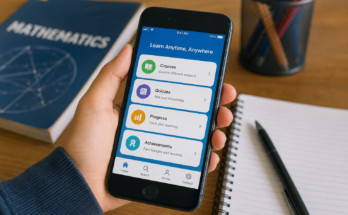
Online education is a learning method where students attend lessons through the internet. Instead of going to a physical classroom, students can use websites, learning platforms, video lessons, online courses, and educational applications. Teachers can provide lectures, assignments, quizzes, and study materials through digital platforms.
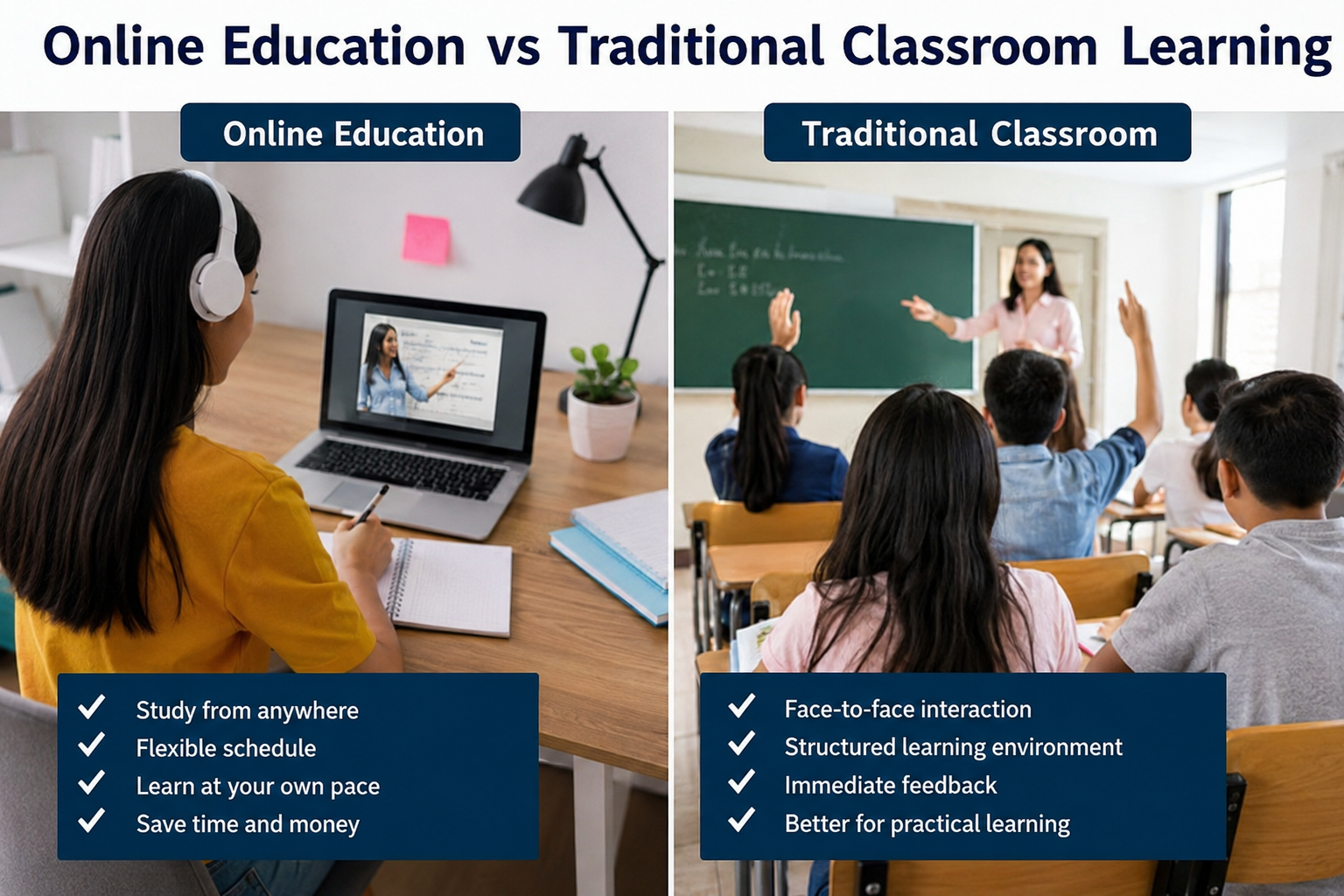
One of the biggest advantages of online education is flexibility. Students can often choose when and where they want to study. This makes online learning useful for students who have jobs, family responsibilities, or other activities. Students can also watch recorded lessons again if they do not understand a topic the first time.
Online education also gives students access to courses from different schools and institutions. A student living in a small town may be able to take a course from an institution located in another city or country. This makes education more accessible to people who cannot easily travel.
What Is Traditional Classroom Learning?
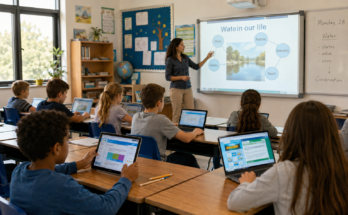
Traditional classroom learning is the conventional form of education where students attend a physical school, college, or university. Teachers and students are present in the same classroom at a specific time. Lessons usually include lectures, discussions, group activities, presentations, assignments, and examinations.
One major benefit of traditional classroom learning is face to face communication. Students can ask questions directly and receive immediate responses from teachers. Teachers can also observe students and understand when someone is confused or needs additional help.
Traditional classrooms also provide a structured learning environment. Students usually have fixed schedules, regular classes, and specific deadlines. This structure can help students develop discipline and maintain a consistent study routine.
Flexibility in Online Education
Flexibility is one of the main reasons students choose online education. Traditional education usually requires students to attend classes at fixed times and locations. Online education can provide more freedom because students may be able to study according to their own schedules.
For example, a student who works during the day can attend online classes in the evening. Students can also study from home, a library, or another suitable location. This flexibility can make education easier for people who have busy lifestyles.
However, flexibility also requires responsibility. Students must manage their own time and complete assignments without constant supervision. A student who struggles with time management may find online learning challenging.
Interaction With Teachers and Students
Traditional classroom learning offers direct interaction between teachers and students. Students can participate in classroom discussions, ask questions, work in groups, and communicate with classmates. This social environment can make learning more engaging.
Online education also provides opportunities for communication. Students can interact with teachers through video calls, discussion boards, emails, and online meetings. However, some students may feel that digital communication is not as personal as face to face interaction.
For students who enjoy teamwork and social learning, traditional classroom education may be more comfortable. For students who prefer independent study, online education can be a better choice.
Cost of Education
The cost of education is another important factor when comparing online education vs traditional classroom learning. Online courses can sometimes be less expensive because students do not always need to travel to a campus or pay for accommodation near an educational institution.
Students can also save money on transportation, meals outside the home, and other daily expenses. However, online education may require a reliable internet connection and a suitable computer or mobile device.
Traditional education can involve tuition fees as well as transportation, accommodation, books, uniforms, and other expenses. The total cost depends on the institution and location.
Learning Environment
The learning environment can have a major effect on academic performance. Traditional classrooms provide a dedicated space where students are expected to focus on education. Being surrounded by teachers and classmates can encourage students to pay attention and participate.
Online learning takes place in environments that may contain many distractions. Students may receive phone notifications, have household responsibilities, or find it difficult to concentrate at home. Creating a quiet study area can help online students remain focused.
Some students enjoy studying independently, while others perform better when they are surrounded by classmates. Understanding personal learning preferences is important when choosing between these two methods.
Access to Learning Materials
Online education provides quick access to digital learning materials. Students can use electronic books, recorded lectures, presentations, educational videos, practice tests, and online libraries. Many resources can be accessed at any time.
Traditional classroom students also have access to textbooks, printed notes, libraries, and teacher provided materials. Physical resources can still be useful for students who prefer reading and writing on paper.
Technology has made it possible for both learning methods to provide high quality educational resources. The main difference is how students access and use those resources.
Self Discipline and Time Management
Online education requires strong self discipline. Since students may not have to attend a physical classroom every day, they need to create their own study routine. They must remember deadlines, complete assignments, attend online lessons, and prepare for examinations.
Traditional classroom learning provides more external structure. Students have fixed class times and regular attendance requirements. This structure can make it easier for some students to stay organized.
However, traditional students also need time management skills. They have to balance classes, homework, examinations, activities, and personal responsibilities.
Technology and Learning
Technology plays a central role in online education. Students need basic digital skills to access courses, submit assignments, attend virtual classes, and communicate with teachers. A poor internet connection or technical problem can sometimes interrupt learning.
Traditional classroom learning also uses technology. Teachers may use projectors, computers, smart boards, educational software, and online resources during lessons. This means technology is becoming part of both educational systems.
Which Learning Method Is Better?
There is no single answer to the question of which learning method is better. Online education can be a good option for students who value flexibility, independent learning, and digital resources. It can also be useful for people who cannot attend a physical institution because of distance, work, or personal responsibilities.
Traditional classroom learning may be better for students who prefer direct communication, structured schedules, group activities, and face to face support. Students who need regular guidance may also benefit from a physical classroom environment.
The best choice depends on individual needs. Some students may even benefit from a combination of both methods. This approach is often called blended learning. It combines online resources with traditional classroom instruction.
Final Thoughts
The comparison between online education vs traditional classroom learning shows that both methods have important benefits. Online education offers flexibility, convenient access to resources, and opportunities to learn from different locations. Traditional classroom learning provides direct communication, social interaction, structured schedules, and personal guidance.
Students should consider their learning style, goals, schedule, budget, technology access, and personal responsibilities before choosing an education method. Instead of asking which method is universally better, students should ask which method works best for their individual situation.
As technology continues to develop, the future of education may include a combination of online and traditional learning. Both methods can provide valuable educational experiences when teachers, students, and institutions use them effectively. The most important goal is not simply where students learn, but how effectively they understand knowledge, develop useful skills, and prepare themselves for the future.