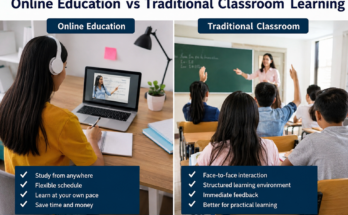
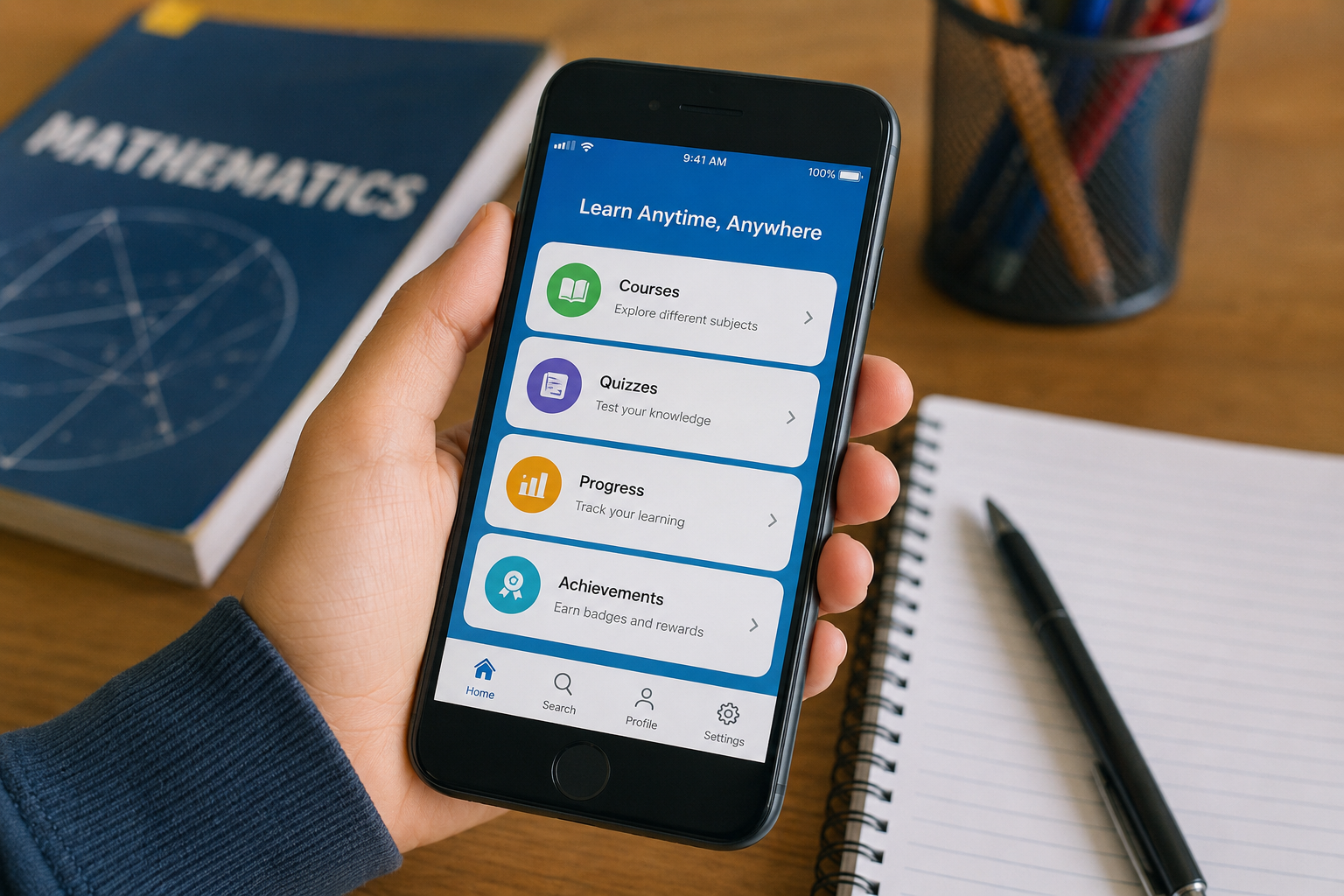
Education is changing quickly because technology has become an important part of everyday life. Students today have access to smartphones, tablets, computers, and many digital learning tools. Among these tools, educational apps are becoming especially popular because they make learning easier, more flexible, and more interesting. Students can use educational apps to study different subjects, practice important skills, complete activities, and learn at their own pace.
Educational apps can improve learning by providing interactive lessons, quick feedback, personalized practice, and easy access to educational content. They can also help teachers manage learning activities and give students more opportunities to practice outside the classroom. When used correctly, educational apps can support better understanding and encourage students to become more independent learners.
What Are Educational Apps
Educational apps are digital applications designed to support teaching and learning. They can be used on smartphones, tablets, computers, and other digital devices. Some apps focus on one subject, such as mathematics, science, English, or history, while others provide several learning tools in one place.
Educational apps can include video lessons, quizzes, flashcards, games, practice exercises, reading materials, language activities, and progress tracking features. These tools allow students to learn through different methods instead of depending only on textbooks and classroom lectures.
The main purpose of educational apps is to make learning more accessible and engaging. Students can open an app whenever they have time and continue learning without needing to be in a classroom.
Educational Apps Make Learning More Interactive
One of the biggest benefits of educational apps is that they make learning interactive. Traditional learning can sometimes become boring when students only read books or listen to long lectures. Interactive apps can add videos, animations, quizzes, games, and activities that encourage students to participate.
For example, a mathematics app can give students a problem and immediately show whether their answer is correct. A science app can use animations to explain how the human body works. A language learning app can allow students to listen to words and practice pronunciation.
Interactive learning can help students stay focused because they are actively involved in the learning process. Instead of simply receiving information, they can practice and apply what they have learned.
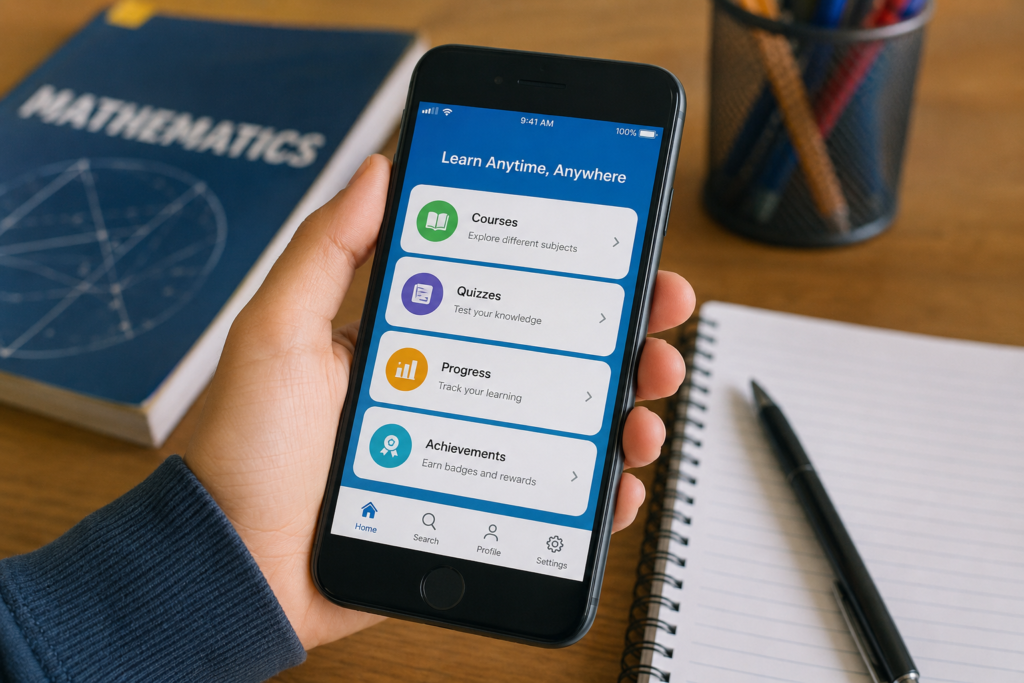
Students Can Learn at Their Own Pace
Every student learns differently. Some students understand a topic quickly, while others need more time and practice. In a traditional classroom, teachers have limited time to give individual attention to every student.
Educational apps can help solve this problem by allowing students to learn at their own pace. A student can repeat a lesson several times if a topic is difficult. Another student who understands the topic quickly can move to more advanced activities.
This flexibility can reduce learning pressure and help students develop greater confidence. Students do not have to feel embarrassed about asking for the same explanation again because they can review the material privately through an app.
Educational Apps Provide Quick Feedback
Feedback is an important part of effective learning. Students need to know whether they understand a topic correctly. Educational apps can provide immediate feedback after quizzes, exercises, and other activities.
For example, if a student answers a question incorrectly, an app may explain the correct answer or provide another opportunity to solve the problem. This allows students to identify their mistakes while the information is still fresh in their minds.
Quick feedback can help students correct misunderstandings before they become bigger problems. It can also encourage students to keep practicing because they can clearly see their progress.
Personalized Learning Experience
Another important advantage of educational apps is personalized learning. Some apps can adjust activities according to a student’s performance and learning level. If a student struggles with a particular skill, the app can provide additional practice.
Personalized learning can make education more useful because students receive activities based on their individual needs. Instead of giving every student exactly the same exercises, technology can provide different levels of difficulty.
This approach can be especially helpful for students who need extra support. It can also challenge advanced students with more difficult activities so they continue improving.
Learning Becomes More Convenient
Educational apps make learning convenient because students can access educational content from almost anywhere. They do not always need to carry several books or wait until they reach school or a library.
A student can review vocabulary while traveling, practice mathematics at home, or watch an educational video during free time. This flexibility can make learning part of everyday life.
Convenient access is also useful for students who have busy schedules. They can divide their study time into smaller sessions and continue learning whenever they have an opportunity.
Educational Apps Can Improve Student Motivation
Motivation plays a major role in successful learning. Students may lose interest when learning feels repetitive or difficult. Educational apps can make activities more enjoyable by using challenges, rewards, points, levels, and achievements.
These features can encourage students to complete lessons and practice regularly. When students see their progress, they may feel motivated to continue.
However, educational apps should not depend only on games and rewards. The main purpose should remain learning. Games and interactive features are most useful when they support educational goals.
Better Support for Teachers
Educational apps are not only helpful for students. They can also support teachers. Teachers can use apps to provide assignments, quizzes, practice activities, and learning materials.
Some educational platforms allow teachers to monitor student progress. This information can help teachers understand which topics students are finding difficult.
For example, if many students perform poorly on a particular quiz, the teacher may decide to explain that topic again. This can help teachers make better decisions about classroom instruction.
Educational Apps Help Develop Independent Learning
Students should eventually become capable of learning without constant supervision. Educational apps can support this goal by giving students tools to study independently.
Students can choose when to practice, review previous lessons, and monitor their own progress. They can also search for explanations when they do not understand something.
Independent learning can help students develop responsibility, discipline, and confidence. These skills are useful not only in school but also in higher education and future careers.
Educational Apps Can Support Different Learning Styles
Students do not all learn in the same way. Some understand information better through reading, while others prefer videos, images, audio, or practical activities.
Educational apps can provide multiple types of content. A student can read an explanation, watch a video, listen to an audio lesson, and complete an interactive exercise about the same topic.
This variety can make learning more accessible and help students find methods that work best for them.
Learning Outside the Classroom
Education does not have to stop when students leave school. Educational apps make it possible to continue learning at home and in other environments.
Students can use apps for revision before exams, homework support, language practice, and general knowledge. Parents can also use educational apps to encourage children to practice academic skills at home.
This creates more learning opportunities and allows students to spend their free time in productive ways.
How to Use Educational Apps Effectively
Although educational apps offer many benefits, students need to use them wisely. Spending too much time on a device does not automatically mean better learning. The quality of the learning activity is more important than the amount of screen time.
Students should choose apps that match their educational goals. They should also create a regular study routine and avoid distractions while using learning apps.
Teachers and parents can help students select trustworthy educational apps. It is also important to check whether an app provides accurate information, useful activities, and appropriate content.
Conclusion
Educational apps can improve learning by making education more interactive, flexible, personalized, and accessible. They give students opportunities to practice skills, receive immediate feedback, learn at their own pace, and study outside the classroom.
These apps can also support teachers by providing useful learning materials and progress information. At the same time, students can become more independent and motivated when they use technology responsibly.
Educational apps should not completely replace teachers, classrooms, books, or real world learning experiences. Instead, they should be used as helpful tools that support the overall learning process. When students, teachers, and parents use educational technology in a balanced and meaningful way, educational apps can become a powerful part of modern education and help students achieve better learning results.