Helping children develop strong learning skills is one of the most important things parents and teachers can do for their future. Good learning skills help kids understand new ideas, remember important information, solve problems, and become more confident in school. Every child learns in a different way, so it is important to create a positive environment where children can explore, ask questions, and learn at their own pace.
Improving learning skills in kids does not mean making them study for many hours. It means teaching them better ways to focus, understand information, practice new skills, and enjoy the learning process. With the right habits and support, children can become better learners both inside and outside the classroom.
Create a Positive Learning Environment
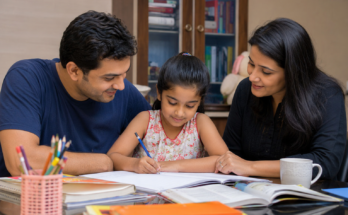
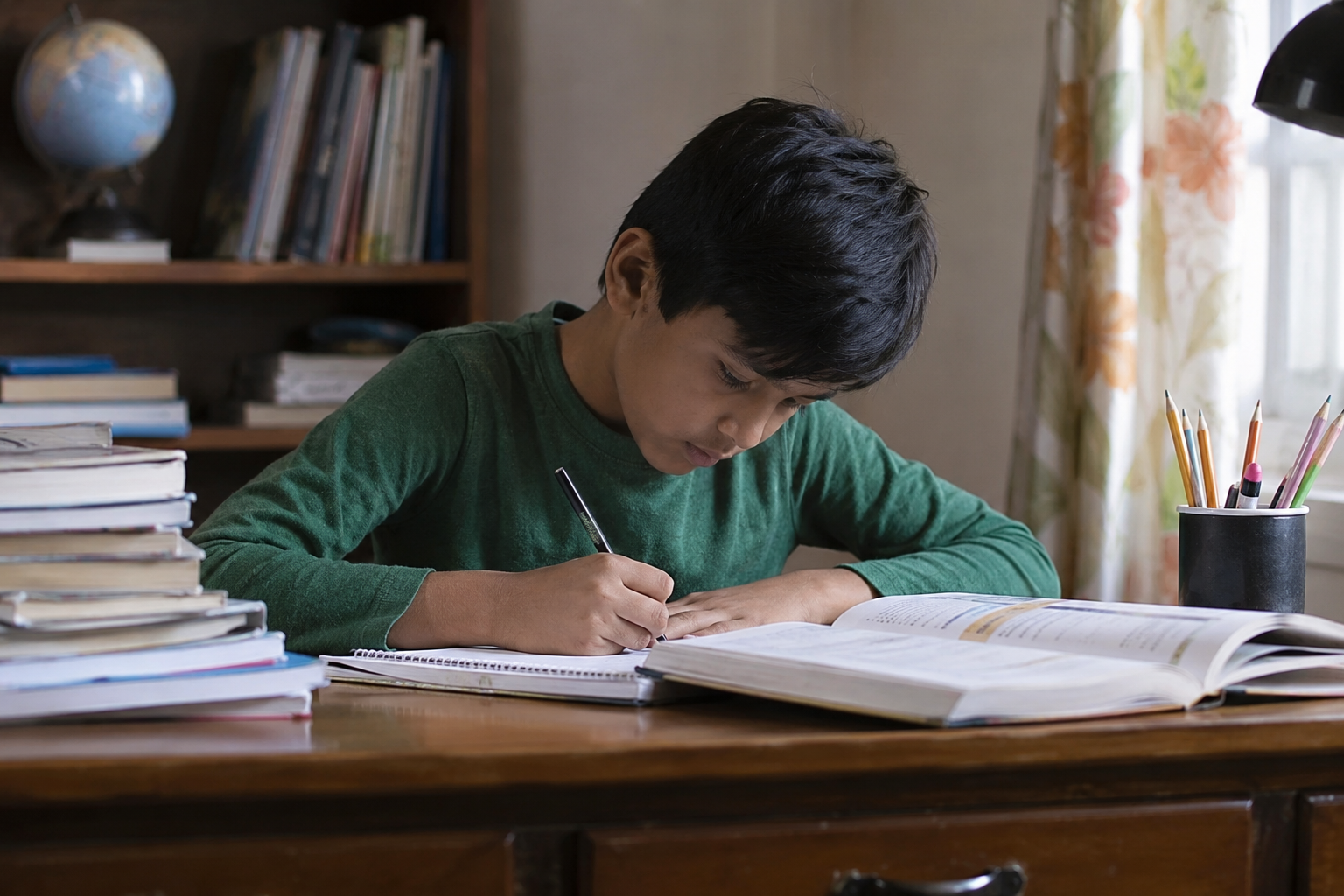
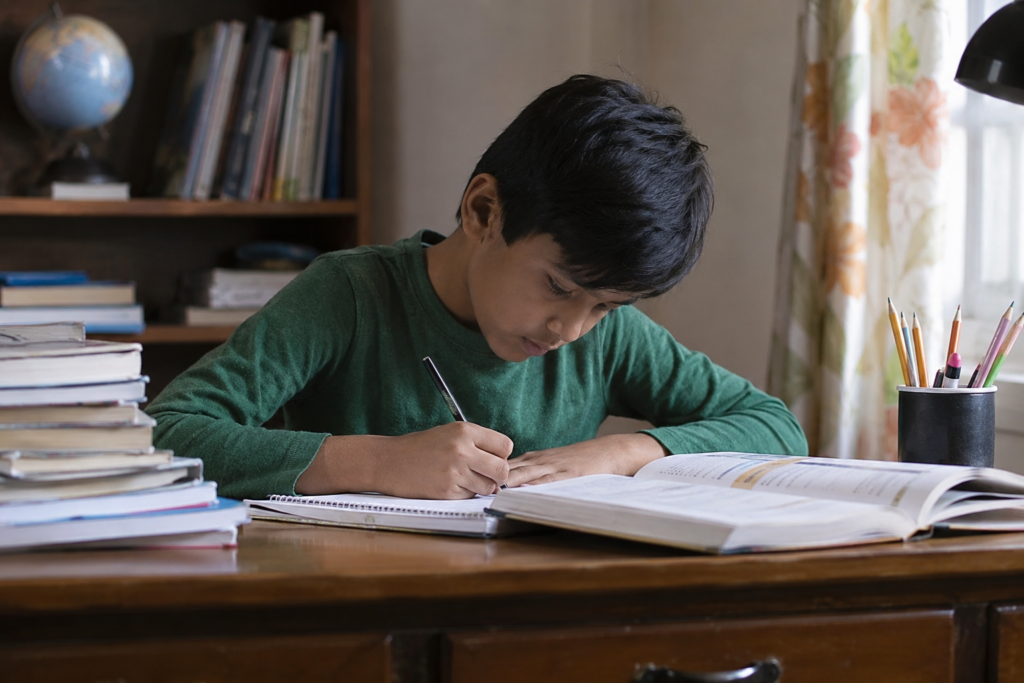
A comfortable learning environment can make a big difference in a child’s ability to learn. Kids need a place where they can study without too many distractions. A quiet corner with good lighting, comfortable seating, and the basic school supplies can help children stay focused.
Parents should also make learning feel positive rather than stressful. Children should not feel afraid of making mistakes. Mistakes are a natural part of learning and can help kids understand what they need to improve.
Try to praise children for their effort instead of only praising high grades. Saying things like “You worked very hard on this” can encourage children to keep trying when something is difficult.
Encourage Reading Every Day
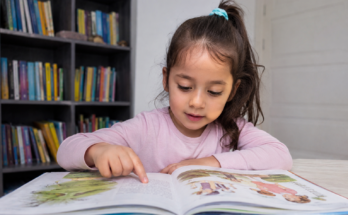
Reading is one of the best ways to improve learning skills in kids. Regular reading helps children develop vocabulary, concentration, imagination, memory, and understanding.
Parents can encourage children to read books that match their age and interests. Storybooks, educational books, magazines, and interesting articles can all be useful. Younger children can read with their parents, while older children can choose books independently.
After reading, ask simple questions about the story. Ask children what they liked, what happened, or what they learned. This helps improve reading comprehension and encourages them to think about information instead of simply reading words.
Teach Kids How to Focus
Concentration is an important learning skill for children. Many kids find it difficult to stay focused for a long time, especially when they are surrounded by distractions.
Parents can help children improve concentration by giving them one task at a time. Turning off unnecessary notifications, keeping toys away during study time, and creating a regular study routine can also help.
Children should also take short breaks during longer study sessions. A few minutes of movement, stretching, or relaxation can help refresh the mind and make it easier to focus again.
Make Learning Interactive
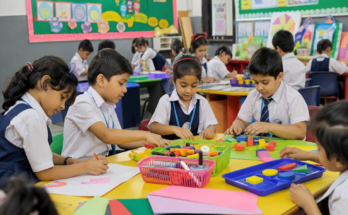
Children often learn better when they are actively involved in the learning process. Instead of asking kids to simply memorize information, parents and teachers can use activities, games, questions, and real life examples.
For example, mathematics can be practiced while shopping or cooking. Science can be explored through simple experiments at home. Geography can become more interesting by looking at maps and learning about different countries.
Interactive learning makes education more enjoyable and helps children understand how school knowledge connects with everyday life.
Develop Good Study Habits
Good study habits can improve learning skills in kids over time. Children should have a regular study routine that fits their school schedule and personal needs.
A simple daily routine can include homework, reading, revision, creative activities, and free time. Having a consistent schedule helps children understand when it is time to study and when it is time to relax.
Parents should avoid creating extremely long study sessions. Quality learning is more important than spending many hours with books. Short and focused study sessions can often be more effective.
Encourage Children to Ask Questions
Questions are an important part of learning. Some children hesitate to ask questions because they are worried that their classmates or parents may think they do not understand.
Parents and teachers should create an environment where questions are welcomed. When a child asks something, listen carefully and give a simple explanation. If you do not know the answer, you can explore the answer together.
Encouraging questions helps children develop curiosity and critical thinking. It also teaches them that learning is about discovering new information rather than simply memorizing answers.
Use Educational Technology Wisely
Technology can be a useful learning tool when it is used properly. Educational apps, online lessons, digital books, videos, and interactive learning platforms can help children understand difficult subjects.
However, children should not spend all their learning time on screens. Parents should choose age appropriate educational content and balance screen based learning with reading, writing, physical activities, and creative play.
Technology should support learning rather than replace important activities such as conversation, hands on practice, and social interaction.
Improve Memory Skills
Memory plays an important role in learning. Children can improve memory by practicing information regularly instead of trying to remember everything at the last moment.
Simple techniques such as repetition, flashcards, pictures, mind maps, and short quizzes can help children remember information. Asking kids to explain something in their own words is another effective way to strengthen understanding and memory.
Regular revision is also helpful. Reviewing information after learning it can make it easier for children to remember it later.
Encourage Problem Solving
Problem solving is an important learning skill that children can use throughout their lives. Parents should give kids opportunities to solve simple problems independently.
For example, if a child is struggling with a puzzle, give them time to think before providing the answer. Ask questions that guide them toward a solution instead of immediately solving the problem for them.
This approach helps children become more independent and confident. They learn that difficult problems can often be solved through patience, practice, and creative thinking.
Give Children Enough Sleep
Sleep is closely connected with learning and concentration. Children who do not get enough sleep may find it harder to focus, remember information, and complete schoolwork.
Parents should create a regular bedtime routine and make sure children have enough time to rest. A calm bedtime environment can help children sleep better.
Good sleep, healthy food, physical activity, and regular breaks all support better learning. Education is not only about books and homework. A healthy lifestyle also supports the developing brain.
Encourage Physical Activity
Physical activity can help children stay active and refreshed. Running, walking, cycling, sports, and outdoor play give kids a break from studying and provide opportunities to move their bodies.
Children who spend some time being physically active may find it easier to return to learning with better energy and attention. Parents should try to include physical activity in the daily routine.
Outdoor activities can also provide learning opportunities. Children can explore nature, observe plants and animals, measure objects, or learn about their surroundings.
Teach Time Management
Time management is another useful skill that can improve children’s learning. Kids can start with simple tasks such as deciding what homework needs to be completed first.
Parents can help children create a basic daily schedule. The schedule should include schoolwork, play, meals, rest, family time, and sleep.
As children grow older, they can gradually take more responsibility for planning their own time. This teaches independence and helps them understand how to complete tasks before deadlines.
Build Confidence in Learning
Confidence can strongly affect a child’s approach to education. When children believe they can improve through effort and practice, they are more likely to continue working when subjects become difficult.
Parents should avoid comparing children with siblings, classmates, or friends. Every child has different strengths and learning needs.
Instead, focus on personal progress. Celebrate small improvements and encourage children to keep practicing. Positive support can help kids develop a healthy attitude toward learning.
Make Learning Fun
Learning does not always have to feel like traditional schoolwork. Children can learn through games, stories, drawing, music, puzzles, experiments, conversations, and outdoor activities.
When children enjoy learning, they are more likely to stay interested and remember what they discover. Parents can find creative ways to connect educational topics with the child’s hobbies and interests.
For example, a child who enjoys sports can practice mathematics through scores and statistics. A child who loves animals can read books about wildlife and learn about science.
Be a Good Learning Role Model
Children often learn from what adults do. Parents who read books, ask questions, learn new skills, and show curiosity can encourage children to develop similar habits.
You can talk about something new you learned during the day or involve your child in simple learning activities at home. When children see that learning continues throughout life, they may develop a more positive attitude toward education.
Conclusion
Improving learning skills in kids is a gradual process that requires patience, encouragement, and consistency. Children can become better learners when they have a positive environment, regular reading habits, good study routines, healthy sleep, physical activity, and opportunities to ask questions and solve problems.
Parents and teachers should remember that every child learns differently. Instead of focusing only on grades, it is better to develop curiosity, confidence, concentration, memory, creativity, and independent thinking.
With regular practice and the right support, children can improve their learning skills and become more confident in handling new challenges. The goal is not simply to help kids perform better in school but to help them become lifelong learners who enjoy discovering new ideas and developing their abilities.