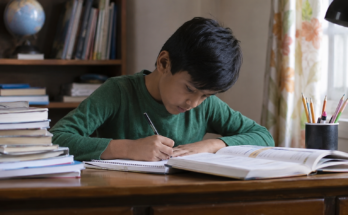
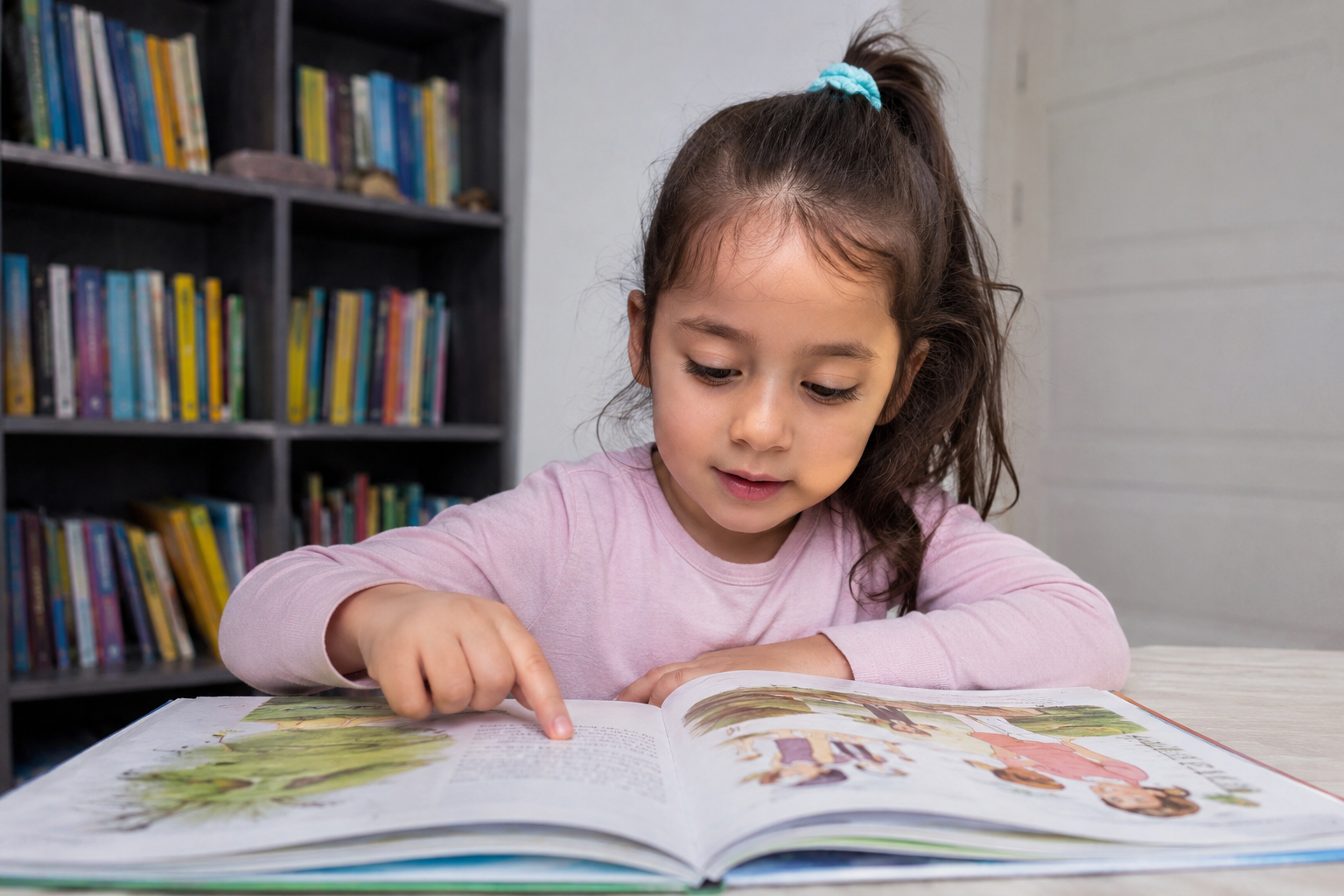
Reading is one of the most useful habits that children can develop from an early age. It is not only an activity for school or homework. Reading helps children understand the world, improve their language, build confidence, and develop a strong imagination. When children read regularly, they learn new words, discover new ideas, and become better at expressing their thoughts. A good reading habit can support a child throughout school life and even into adulthood.
Parents and teachers have an important role in helping children develop reading habits. Giving children interesting books, creating a comfortable reading environment, and allowing them to choose topics they enjoy can make reading more enjoyable. Children who learn to enjoy books at a young age are more likely to continue reading as they grow.
What Are Reading Habits for Children?
Reading habits for children refer to the regular practice of reading books, stories, educational materials, magazines, or other suitable content. A reading habit does not mean that a child must read for several hours every day. Even a short reading session can be useful when it becomes a regular part of daily life.
The most important thing is consistency. When children spend a little time reading each day, reading slowly becomes a natural part of their routine. Parents can start with simple picture books and short stories and then introduce more advanced books as the child’s reading skills improve.
Improves Language and Vocabulary
One of the biggest benefits of reading for children is improved language development. Books introduce children to words and sentences that they may not hear in everyday conversations. As children read different stories, they naturally come across new vocabulary.
For example, a child reading a story about animals may learn words related to nature, while a child reading a science book may discover new educational terms. Seeing these words repeatedly helps children understand their meanings and remember them.
A strong vocabulary also helps children communicate better. They can explain their ideas more clearly and participate more confidently in classroom discussions. Reading regularly can therefore support both speaking and writing skills.
Develops Better Concentration
Children today have many distractions around them, including television, mobile phones, video games, and social media. Reading provides an opportunity to slow down and focus on one activity.
When a child reads a story, they need to follow the characters, understand events, and remember important details. This process requires attention and concentration. With regular practice, children can gradually improve their ability to focus for longer periods.
Better concentration can also help children with their schoolwork. A child who can focus while reading is often better prepared to understand lessons, complete assignments, and study for exams.
Builds Imagination and Creativity
Books can take children to places they have never visited and introduce them to people, cultures, and situations they have never experienced. Fictional stories are especially helpful for developing imagination.
When children read about a magical world, an adventure, or an exciting journey, they create pictures in their minds. They imagine what characters look like, how places appear, and what might happen next.
This mental activity supports creativity. Children who read regularly may become more comfortable with drawing, writing stories, creating games, and finding new ways to solve problems. Reading allows children to use their imagination instead of simply receiving information from a screen.
Improves Academic Performance
Reading plays an important role in education. Almost every school subject requires some level of reading. Children need to understand questions, instructions, textbooks, notes, and educational materials.
Children with strong reading skills can often understand lessons more easily because they are comfortable with written information. Regular reading also helps them develop comprehension skills, which means understanding the meaning behind what they read.
When children practice reading outside school, they get additional opportunities to improve these skills. This extra practice can make classroom learning easier and help children become more independent learners.
Develops Critical Thinking Skills
Reading is not only about understanding words. It also encourages children to think about what they are reading. A good story may make a child wonder why a character made a particular decision or what could happen next.
Parents can make reading more meaningful by asking simple questions after a story. They can ask children what they liked, what they learned, or what they would have done differently.
These questions encourage children to think beyond the basic information in a book. Over time, reading can help children compare ideas, understand different opinions, identify problems, and make thoughtful decisions.
Builds Confidence in Children
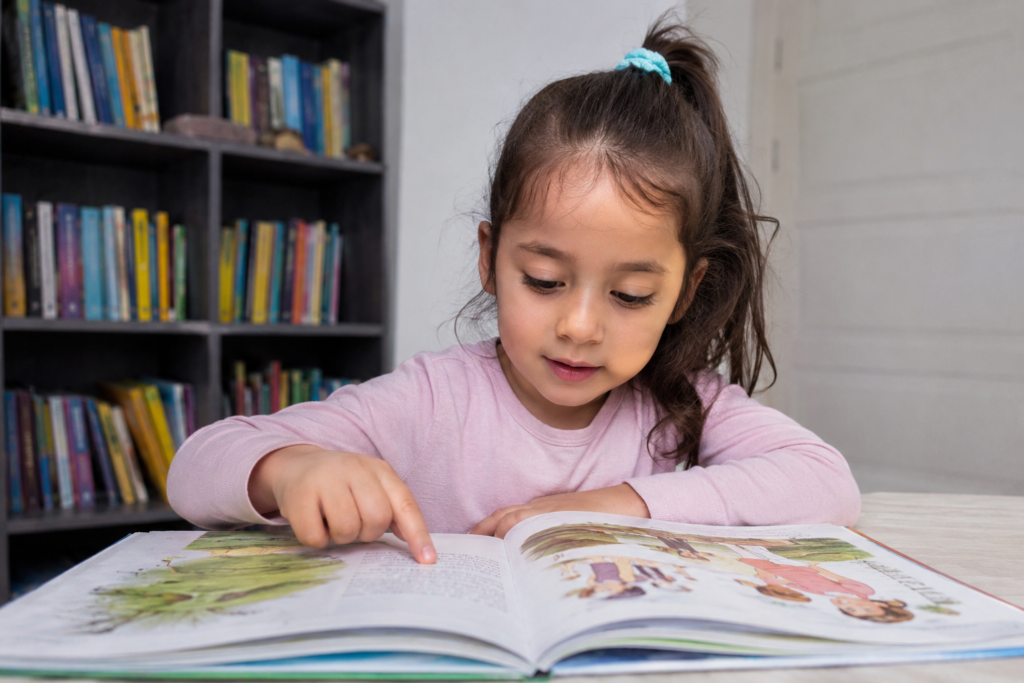
Children often become more confident when they improve their reading abilities. Being able to read a story independently can give a child a sense of achievement.
As their vocabulary and comprehension improve, children may also feel more comfortable speaking in class and completing school assignments. Reading can help them express their thoughts because they become familiar with different sentence structures and ways of communicating.
Parents should praise children for their effort rather than focusing only on mistakes. Positive encouragement can make reading feel enjoyable instead of stressful.
Helps Children Develop a Love for Learning
A child who enjoys reading can discover that learning is not limited to the classroom. Books can introduce children to science, history, geography, animals, space, technology, famous people, and many other subjects.
When children are allowed to read about topics they personally enjoy, they may become curious and ask more questions. This curiosity can encourage them to explore new subjects and develop a lifelong interest in learning.
A strong reading habit can therefore create an attitude where children see education as something interesting rather than simply a school responsibility.
Supports Emotional Development
Stories can also help children understand emotions and relationships. Characters in books may experience happiness, sadness, fear, disappointment, friendship, or success.
When children read about these experiences, they can learn that different people have different feelings and challenges. This can help them understand their own emotions and become more aware of how others feel.
Reading stories about kindness, friendship, honesty, and courage can also teach valuable lessons. Children can learn positive values through characters and situations without feeling as though they are being given a lecture.
Reduces Excessive Screen Time
Encouraging children to read can provide a healthy alternative to excessive screen use. Reading does not require constant notifications, games, or entertainment features. It allows children to spend quiet time with a book and focus on one activity.
Parents do not need to remove technology completely. Instead, they can create a balanced routine that includes reading, outdoor activities, schoolwork, family time, and appropriate screen use.
A daily reading routine can become a peaceful part of a child’s day, especially before bedtime.
How Parents Can Develop Reading Habits in Children
Parents can use several simple methods to encourage children to read regularly. The first step is to make books easily available at home. A small shelf with colorful and age appropriate books can make children more interested in reading.
Parents should also allow children to choose some of their own books. When children select stories about animals, sports, adventures, science, or other subjects they like, they are more likely to enjoy reading.
Reading together is another effective method. Parents can read aloud to younger children and discuss the story with them. Older children can take turns reading paragraphs or pages with parents.
Setting a specific reading time can also help. For example, children can read for twenty minutes after completing their homework or before going to bed. The goal is to make reading a regular habit without turning it into a punishment.
Choosing the Right Books for Children
The choice of books is very important when developing reading habits for children. Books should match the child’s age, reading level, and interests. Very difficult books may make children frustrated, while books that are too easy may not provide enough challenge.
Picture books, short stories, educational books, adventure stories, biographies, and children’s magazines can all be useful. Parents should focus on quality content and choose materials that are safe, educational, and appropriate for the child’s age.
It is also helpful to introduce different types of books. This allows children to discover what they enjoy while expanding their knowledge.
Conclusion
The importance of reading habits for children cannot be ignored. Regular reading improves vocabulary, concentration, communication, imagination, creativity, comprehension, and critical thinking. It can also support academic performance, emotional development, and confidence.
Parents and teachers can make a major difference by creating a positive reading environment. Children should not feel that reading is only another school task. They should have the freedom to explore stories and subjects that interest them.
A few minutes of reading every day can gradually become a powerful lifelong habit. When children learn to enjoy books from an early age, they gain a valuable skill that can help them learn, communicate, think, and grow throughout their lives. Encouraging reading today can help build confident, curious, and knowledgeable children for the future.